UN Engages U.S. in Critical Talks on Humanitarian Fuel for Cuba
The United Nations has confirmed it is actively engaged in discussions with the United States government regarding the provision of humanitarian fuel supplies to Cuba. This diplomatic initiative comes as the Caribbean nation grapples with a severe and persistent fuel shortage that has significantly disrupted daily life, economic activities, and essential services.
Addressing a Deepening Crisis
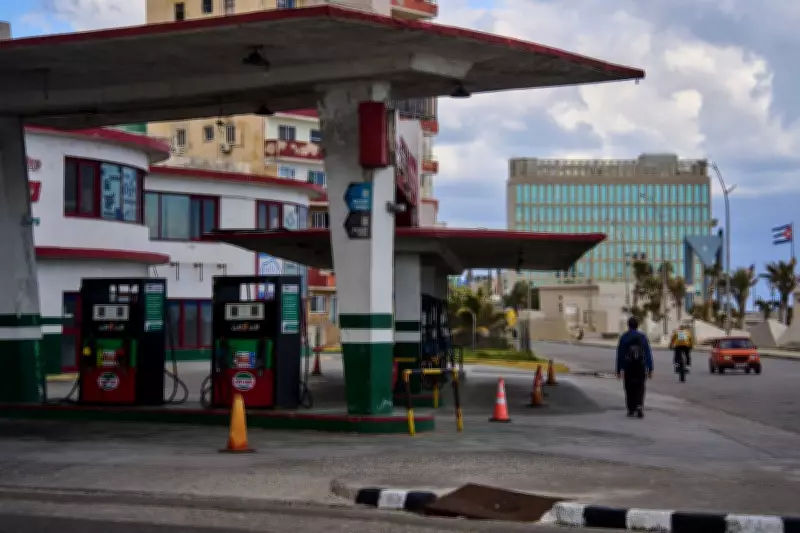
Reports from Havana depict a dire situation, with long queues at gas stations and many pumps running completely dry. The scarcity has impacted public transportation, agricultural operations, and power generation, exacerbating existing economic challenges. Humanitarian organizations have raised alarms about the potential for a broader public health and food security crisis if the fuel deficit is not urgently addressed.
The talks are framed within the context of international humanitarian law and the need to support civilian populations, focusing on ensuring that fuel reaches those most in need, including hospitals, water treatment facilities, and food distribution networks. The UN's involvement aims to navigate the complex geopolitical landscape and U.S. sanctions policies that have historically constrained Cuba's access to energy resources.

Navigating Diplomatic and Logistical Hurdles
While specific details of the negotiations remain confidential, sources indicate the dialogue centers on establishing a secure and transparent mechanism for fuel delivery. Key considerations include:
- Verification processes to ensure supplies are used for intended humanitarian purposes.
- Logistical arrangements for shipping and distribution within Cuba.
- Potential exemptions or licenses under existing U.S. sanctions frameworks.
The outcome of these talks could set a significant precedent for humanitarian assistance to nations under comprehensive economic sanctions. Success would provide critical relief to millions of Cubans, while failure could deepen the humanitarian toll of the ongoing economic blockade.
International observers are closely monitoring the situation, emphasizing that timely intervention is crucial to prevent further deterioration of living conditions on the island. The UN's role as a mediator highlights the growing urgency of finding pragmatic solutions to alleviate human suffering amidst protracted political disputes.