This Sunday, May 10, millions of Canadian mothers will receive flowers, candles, and cards thanking them for everything they do. Yet, as Dr. Jamil Jivraj argues, these gestures fall short of addressing the real burdens mothers face.
The Invisible Work of Mothers
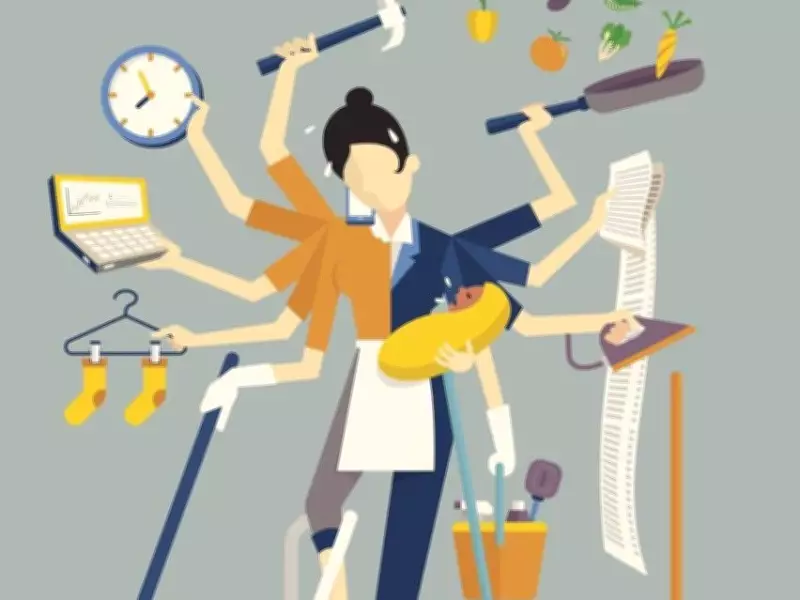
Much of what mothers carry is not visible work. It is the work of holding the family in mind: the appointments that need to be booked, the forms that need to be signed, the child who is struggling but has not said it yet. You can feel it before you can name it – the tone of the household, the small adjustments that keep everything moving.
This is sometimes called the mental load. It is not evenly shared. It is often carried quietly and expected without being named.

The Data Behind the Struggle
Mental health conditions, including suicide and overdose, are now a leading cause of pregnancy-related death in the United States. Most are considered preventable. In Canada, roughly one in eight mothers experiences clinical depression during or after pregnancy. Many wait months for care. Only a minority receive adequate treatment.
Time matters. When mothers have access to paid parental leave, rates of postpartum depression fall and child outcomes improve. Canada offers more leave than many countries, but many families cannot afford to take it.
Childcare matters. When it is unstable or unaffordable, stress rises quickly. When it is reliable, something quieter happens: the link between exhaustion and depression begins to loosen.
Partnership matters – not just help, but shared responsibility. When parents share ownership of the mental load, maternal stress decreases. When that partnership is absent, the work does not disappear. It concentrates. For many mothers, there is no one else to hold it.
A Personal Reflection
In my own home, I am still learning how to carry this well. That does not make flowers enough.
One finding stays with me: a mother's warmth when her child is three predicts that child's sense of safety more than a decade later. That sense of safety shapes physical health, psychological well-being, and mental health in adolescence.
Warmth depends on capacity. A mother who is sleep-deprived, financially strained, and carrying the family largely on her own does not lack love. She lacks the conditions that allow that love to take shape.
What to Do This Mother's Day
This Mother's Day, by all means, bring flowers. But also ask different questions:
- Does she have a doctor who checks in on her mental health?
- Can she afford to take the time she needs?
- Does she have childcare she trusts?
- Has she seen a friend recently?
If she has a partner, does that person carry half the invisible work – the appointments, the permission forms, the emotional weather of the household?
Most of what mothers carry does not show up in a gift. It shows up in everything else.
Dr. Jamil Jivraj is a child and adolescent psychiatrist and clinical assistant professor at the University of Calgary.