In a significant diplomatic development, the governments of Egypt and Sudan have officially welcomed an offer from former U.S. President Donald Trump to mediate the protracted and contentious dispute over the Grand Ethiopian Renaissance Dam (GERD) on the Nile River. The announcement, made on January 17, 2026, signals a potential new chapter in negotiations that have been stalled for years, impacting the water security of millions.
A Decades-Long Dispute Over Water Security
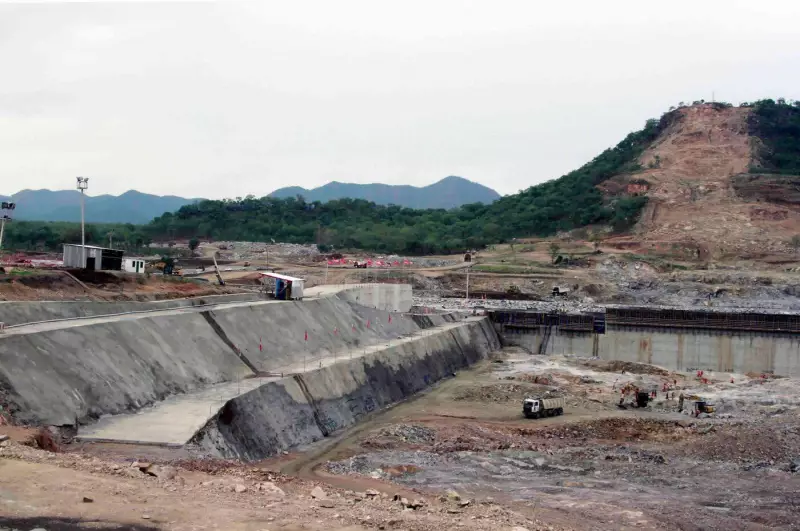
The core of the conflict revolves around Ethiopia's construction of the massive Grand Ethiopian Renaissance Dam, which began near Assosa, Ethiopia, over a decade ago, with a pivotal file photo from the site dated June 28, 2013. Downstream nations Egypt and Sudan view the dam as an existential threat to their vital water supply from the Nile, fearing it will severely reduce their share of the river's flow, especially during periods of drought. Ethiopia maintains the project is crucial for its economic development and energy production.
Previous rounds of talks, involving the African Union and other international actors, have repeatedly failed to produce a binding agreement on the filling and operation of the dam's reservoir. The stalemate has heightened regional tensions and raised concerns about the potential for conflict.

Trump's Unexpected Diplomatic Foray
The offer from former President Donald Trump to act as a mediator introduces a new, high-profile variable into the equation. While the specific details of his proposal have not been fully disclosed, the acceptance by Cairo and Khartoum indicates a willingness to explore alternative avenues for dialogue. Trump's involvement recalls his administration's earlier engagement in the dispute, though a permanent resolution remained elusive during his presidency.
Analysts suggest that the involved parties may see value in an external mediator perceived as having significant political influence and the ability to broker a deal outside of traditional diplomatic channels. The move underscores the continued complexity of the issue and the desperation for a breakthrough.
Regional Implications and the Path Forward
The acceptance of Trump's offer does not guarantee a resolution, but it reopens a formal channel for negotiation. The primary challenges remain technical and legal: agreeing on a mechanism for filling the dam's reservoir that protects downstream water needs and establishing a legally binding pact for long-term operation.
The outcome of this new mediation effort will have profound consequences for over 250 million people across the Nile Basin. A successful agreement could foster regional cooperation and stability, while a continued impasse risks further destabilizing an already volatile region. The international community will be watching closely to see if this unexpected diplomatic intervention can succeed where others have not.
As of January 17, 2026, the next steps involve coordinating the logistics and framework for the proposed mediation talks. The world awaits to see if this new initiative can finally untangle one of the world's most intractable transboundary water disputes.