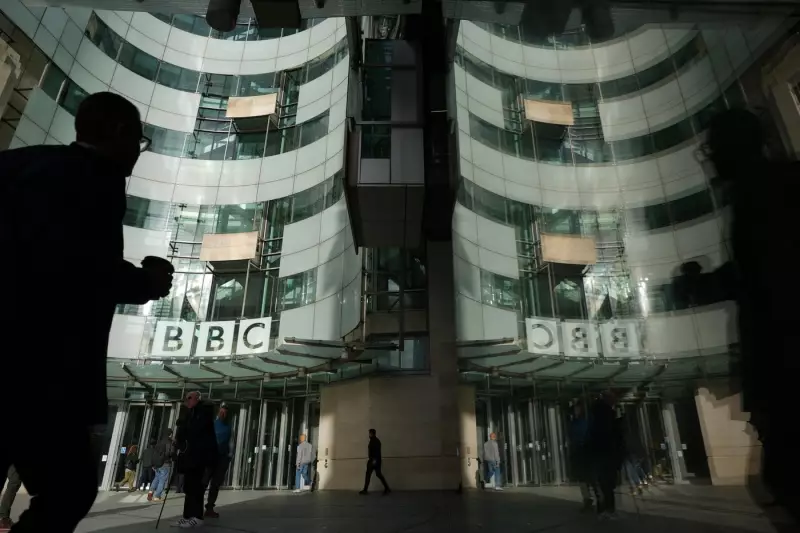
The British Broadcasting Corporation (BBC) has formally asked a court to throw out a staggering US$10 billion defamation lawsuit filed against it by former United States President Donald Trump. The motion to dismiss was filed on January 13, 2026, setting the stage for a major legal battle between the global media giant and the former head of state.
Details of the Legal Motion
The BBC's legal team submitted the motion to dismiss in response to the lawsuit initiated by Trump. While the specific allegations in Trump's original complaint were not detailed in the initial report, defamation lawsuits of this magnitude typically involve claims of harm to reputation through published statements. The filing represents the BBC's first major procedural countermove, arguing that the case lacks legal merit and should not proceed to trial.
The Scale and Significance of the Case
The sheer size of the damages sought—US$10 billion—places this lawsuit among the most significant defamation claims ever filed against a media organization. Legal experts anticipate that the case will draw intense scrutiny, potentially testing the boundaries of libel law, particularly concerning public figures. The BBC, headquartered in London, is a publicly funded broadcaster with a global reach, making this an international media law story with implications for press freedom and the legal risks of reporting on high-profile politicians.

What Comes Next in the Legal Process
With the motion to dismiss now filed, the next step rests with the presiding judge. The court will review the BBC's arguments and Trump's legal team's likely opposition before deciding whether the lawsuit can proceed or if it will be dismissed at this preliminary stage. The outcome of this motion could either end the case or pave the way for a lengthy, costly, and highly publicized discovery phase and eventual trial. The filing date of January 13, 2026, at approximately 8:34 AM EST, marks the beginning of this critical legal chapter.
The case emerges amidst a complex global media landscape where powerful figures increasingly turn to litigation against press entities. The BBC's decision to seek dismissal is a confident assertion of its legal position and a commitment to defending its journalistic work. Observers will be watching closely as the court's decision could set a precedent for similar cases involving media outlets and political leaders worldwide.