

Sudan Marks Fourth Year of Devastating Conflict Amid Calls of an 'Abandoned Crisis'
As Sudan enters a fourth consecutive year of brutal warfare, officials and humanitarian organizations are lamenting what they describe as an 'abandoned crisis,' with the international community largely turning a blind eye to the escalating violence and deepening humanitarian catastrophe. The conflict, which has ravaged the nation since 2023, continues to displace millions, destroy infrastructure, and exacerbate famine conditions, yet global attention remains fragmented and insufficient.
Commemorations Highlight Ongoing Suffering and Neglect
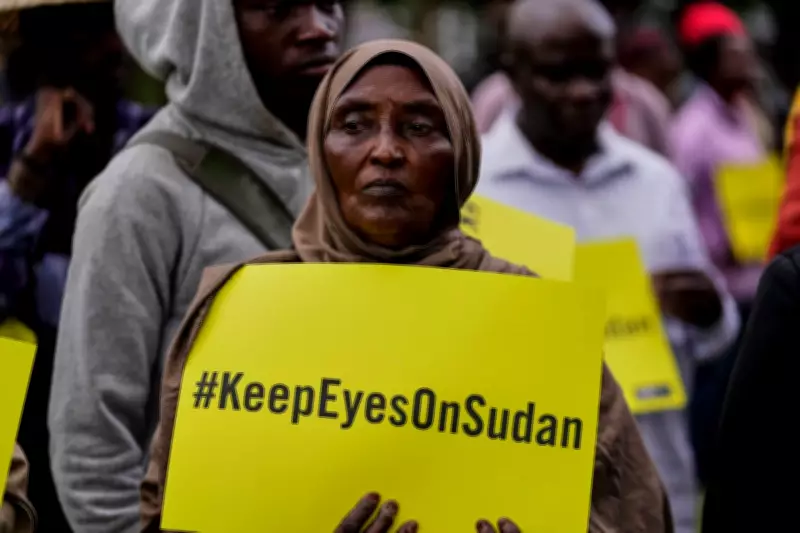
In a poignant demonstration of solidarity and remembrance, activists gathered in Nairobi, Kenya, for a tree-planting event to mark the grim anniversary. Participants held placards and observed moments of silence, symbolizing the lives lost and the environmental degradation caused by the war. This act of commemoration underscores the widespread feeling of betrayal among Sudanese citizens and their supporters, who argue that the world has failed to prioritize their plight amidst other global crises.
The humanitarian impact has been staggering, with reports indicating over 10 million people displaced internally and across borders, making it one of the largest displacement crises globally. Access to basic necessities such as food, water, and medical care remains severely limited, particularly in conflict zones where aid delivery is often obstructed by fighting and bureaucratic hurdles.

Escalating Violence and Political Stalemate
Military engagements between government forces and rebel groups have intensified in recent months, leading to increased civilian casualties and the destruction of critical infrastructure, including hospitals and schools. Analysts warn that the political stalemate shows no signs of resolution, with peace talks repeatedly stalling due to deep-seated mistrust and competing interests among warring factions.
International diplomatic efforts have been criticized as lackluster, with key global powers preoccupied with other conflicts and domestic issues. This perceived neglect has fueled frustration among Sudanese leaders and aid workers, who stress that without sustained international pressure and support, the crisis could spiral further out of control.
Long-Term Consequences and Calls for Action
The prolonged conflict has devastated Sudan's economy, pushing millions into poverty and threatening long-term stability in the region. Environmental damage, including deforestation and pollution from military activities, adds another layer of complexity to recovery efforts. Humanitarian agencies are urging for:
- Increased funding for emergency aid and reconstruction projects
- Enhanced diplomatic initiatives to revive peace negotiations
- Greater media coverage to raise global awareness of the crisis
- Protection measures for civilians and aid workers in conflict zones
As Sudan enters this fourth year of war, the call for a renewed international response grows louder, with advocates emphasizing that the time for action is now to prevent further loss of life and secure a path toward peace and recovery.






