

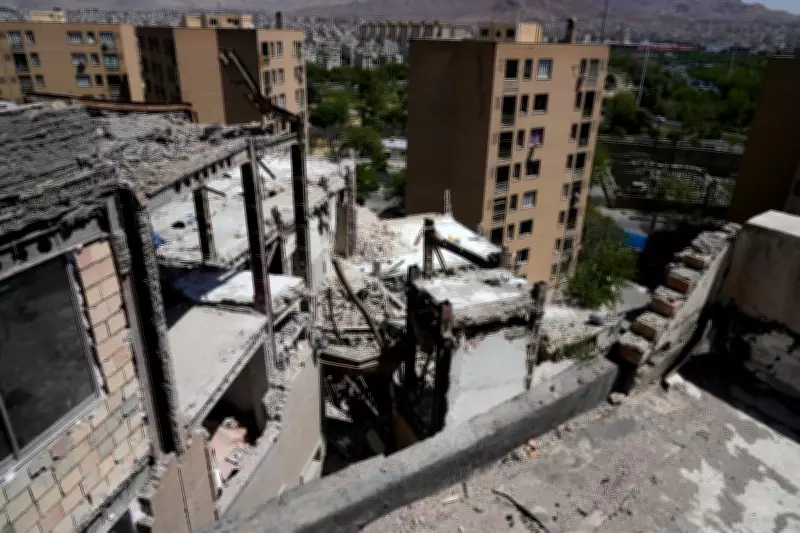
A high-level Pakistani diplomatic delegation has arrived in Tehran, marking a pivotal step in international efforts to reduce regional tensions and facilitate renewed peace discussions between the United States and Iran. This diplomatic initiative comes as U.S. President Donald Trump indicated that the conflict in Iran is nearing its conclusion, with another round of talks potentially resuming within the next two days.
Diplomatic Mission to De-escalate Regional Conflict
The Pakistani delegation's visit to Tehran is seen as a crucial mediation effort, leveraging Pakistan's historical ties with both nations to broker dialogue. This move underscores the growing international concern over the protracted conflict and the urgent need for a peaceful resolution. Analysts suggest that Pakistan's involvement could provide a neutral platform, helping to bridge gaps and build trust between the adversarial parties.
Trump's Optimistic Outlook on Peace Prospects
In a recent statement, President Trump expressed optimism, stating that the war in Iran is 'close to over.' This remark has fueled speculation that diplomatic channels are actively being pursued behind the scenes. The potential resumption of peace talks within the next 48 hours highlights a window of opportunity for substantive negotiations, with the Pakistani delegation playing a key role in arranging these critical discussions.

Broader Implications for International Relations
The arrival of the Pakistani delegation in Tehran is not just about bilateral relations; it reflects a broader shift in global diplomacy aimed at conflict resolution. As tensions have escalated in the region, involving various state and non-state actors, this initiative could set a precedent for third-party mediation in complex geopolitical disputes. Success in these talks could lead to reduced hostilities and pave the way for long-term stability in the Middle East.
Moreover, this development aligns with ongoing efforts by international organizations and other nations to support peace processes. The involvement of Pakistan, a country with significant influence in the Islamic world, adds a layer of credibility and potential effectiveness to the negotiations. Observers are closely monitoring the situation, hoping that this diplomatic push will yield tangible results and prevent further escalation of violence.
As the world watches, the outcome of these talks could have far-reaching consequences, not only for Iran and the United States but for global security and economic stability. The Pakistani delegation's efforts represent a beacon of hope in a region often marred by conflict, emphasizing the power of dialogue over confrontation.






