

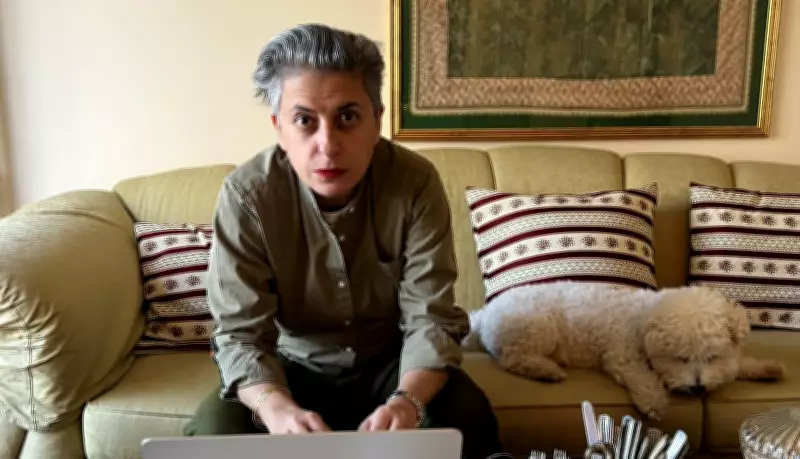
Iranian-Canadian Journalist Dismisses War as Tool for Regime Change
In a stark commentary on the ongoing Middle East conflict, Iranian-Canadian journalist Adrian Ghobrial has declared that pursuing regime change through warfare is "a fantasy." This statement comes as a fragile ceasefire holds in the region, bringing a complex mix of relief and worry to Canadians with ties to Iran.
Mixed Emotions Among Iranian-Canadians
For many in the Iranian-Canadian community, the current ceasefire has sparked conflicting emotions. While there is palpable relief that immediate hostilities have paused, deep-seated anxiety persists for loved ones still in Iran, who face ongoing uncertainty and potential danger. The temporary peace does little to alleviate fears about long-term stability and safety.
Ghobrial's analysis suggests that military interventions rarely achieve their stated political objectives, particularly when those objectives involve overthrowing established governments. He emphasizes that such approaches often lead to prolonged suffering without delivering meaningful political transformation.

The Fantasy of Military Solutions
The journalist's perspective challenges conventional wisdom about conflict resolution in the Middle East. By labeling war-driven regime change as fantasy, Ghobrial points to historical precedents where military action has failed to install stable, democratic governments, instead creating power vacuums and exacerbating regional tensions.
This viewpoint gains particular relevance as international observers monitor whether the current ceasefire can evolve into lasting peace or will merely serve as an interlude between conflicts. The situation remains fluid, with diplomatic efforts continuing behind the scenes while civilians brace for potential escalation.
Community Impact and Personal Connections
For Iranian-Canadians, the conflict is not an abstract geopolitical issue but a personal crisis affecting family and friends. Many maintain regular contact with relatives in Iran, receiving firsthand accounts of the challenges faced by ordinary citizens caught between political forces.
The emotional toll on diaspora communities highlights how international conflicts reverberate across borders, creating parallel experiences of anxiety and hope among those with divided loyalties and concerns.
As weather patterns shift in Canadian cities like Toronto, bringing temporary warmth before colder fronts return, so too does the geopolitical climate offer fleeting moments of calm before potential storms. The parallel serves as a metaphor for the precarious nature of both natural and political environments.
Ghobrial's commentary adds to a growing body of analysis questioning the efficacy of military solutions to complex political problems, particularly in regions with deep historical conflicts and competing interests.






