

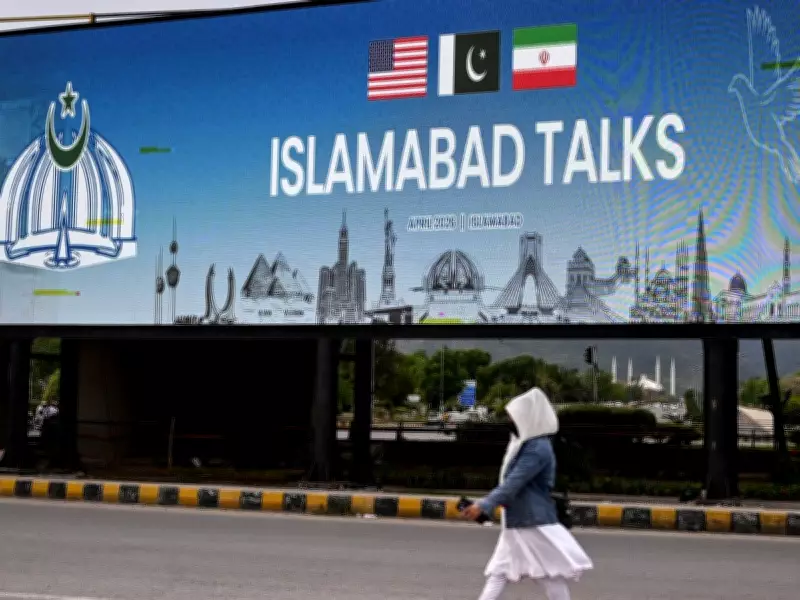
Iranian Delegation Arrives in Islamabad for Crucial U.S. Peace Talks
An Iranian diplomatic delegation is scheduled to arrive in Islamabad on Friday night, according to officials in Pakistan's capital, setting the stage for pivotal peace negotiations with the United States scheduled for Saturday. The talks represent a significant diplomatic effort to stabilize relations between the two nations.
Key Figures Leading the Negotiations
Iran's delegation will be headed by Foreign Minister Abbas Araghchi and Parliament Speaker Mohammad-Bagher Ghalibaf, as confirmed by sources who requested anonymity due to the private nature of the discussions. While Iran has not officially confirmed its participation, state media has indicated that Ghalibaf will lead the negotiations.
On the American side, President Donald Trump is dispatching a high-level team including Vice President JD Vance, special envoy Steve Witkoff, and son-in-law Jared Kushner to Islamabad for the meetings with Iranian officials. The Iranian embassy in Islamabad has not yet responded to requests for comment regarding the delegation's arrival.

Objectives and Challenges
The primary goal of these talks is to transform a fragile ceasefire that was announced on Tuesday into a lasting peace agreement. However, significant obstacles remain that could complicate the negotiation process.
Regional tensions continue to simmer, particularly due to Israel's ongoing bombardment in Lebanon targeting Iranian-backed Hezbollah positions. Additionally, the United States and Iran maintain substantially different positions on key issues for a long-term ceasefire, with the virtual closure of the Strait of Hormuz emerging as a major point of contention.
Uncertain Prospects for Agreement
The likelihood of achieving a comprehensive peace agreement during this weekend's talks remains uncertain. Both nations have historically maintained opposing stances on multiple geopolitical matters, and the current regional conflicts add layers of complexity to the diplomatic process.
Observers note that while the mere occurrence of these talks represents progress, the fundamental disagreements between Washington and Tehran may prove difficult to resolve in a single meeting. The outcome could have significant implications for Middle Eastern stability and global energy markets.
The diplomatic engagement comes at a critical juncture in U.S.-Iran relations, with both sides testing the waters for potential normalization after years of heightened tensions. The Islamabad meetings will be closely monitored by international stakeholders seeking signs of breakthrough or continued deadlock.






