

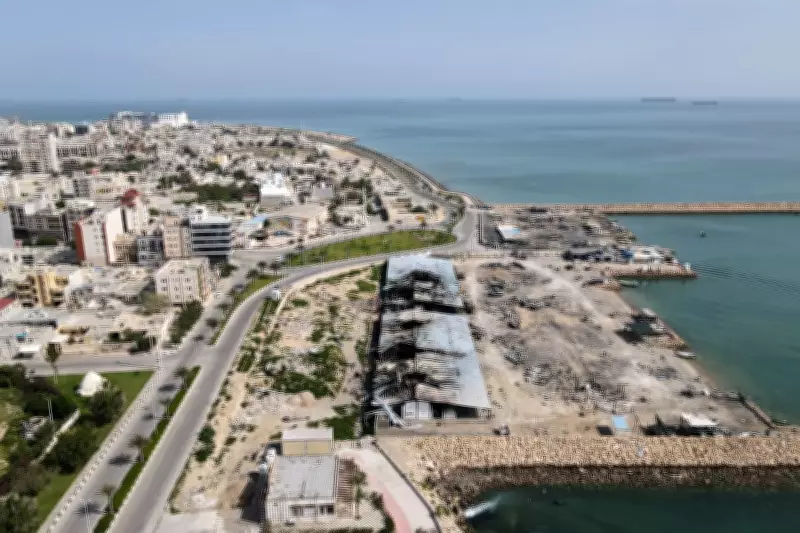
Iran's Foreign Minister Announces Hormuz Strait Access During Ceasefire
In a significant development amid ongoing regional tensions, Iran's foreign minister has publicly stated that the passage of vessels through the critical Hormuz Strait remains open during the current ceasefire period. This announcement comes as Israel and Lebanon have agreed to a 10-day ceasefire, a move that has been highlighted by international observers including former U.S. President Donald Trump.
Strategic Waterway and Global Implications
The Hormuz Strait is a vital maritime chokepoint through which approximately one-fifth of the world's oil passes. The assurance of open access is crucial for global energy markets, which have been volatile due to the conflict. Analysts note that any disruption in this region could lead to spikes in oil and gas prices, affecting economies worldwide.
Furthermore, the conflict has indirect consequences on other sectors, such as medical supplies. Reports indicate that the war is impacting the availability of medical helium, a critical resource for healthcare facilities. This underscores the interconnected nature of regional conflicts and global supply chains.

Political Dynamics and Peace Talks
During peace negotiations, there have been accusations of bullying tactics, with some officials labeling certain approaches as marketing strategies rather than genuine diplomacy. The foreign minister's statement is seen as an effort to maintain stability and reassure international stakeholders of Iran's commitment to maritime security during the ceasefire.
In related political news, new Quebec Premier Christine Fréchette is scheduled to meet with Prime Minister Carney in Ottawa, highlighting domestic political engagements amidst international crises. Additionally, Canadian bishops have spoken out regarding tensions between global leaders over Middle East policies.
Economic and Environmental Considerations
The ceasefire and open access to the Hormuz Strait may provide temporary relief to energy markets, but long-term solutions are needed to address underlying issues. Environmental concerns are also at play, with the stunning underwater ecosystems in the region at risk as the conflict persists. Conservationists warn that prolonged hostilities could lead to irreversible damage to marine biodiversity.
On the economic front, consumers in regions like Alberta are grappling with issues such as algorithmic pricing, while businesses face challenges from scams and regulatory changes. These domestic issues unfold against the backdrop of international energy and security concerns.
Looking Ahead
As the ceasefire holds, the international community will closely monitor compliance with the agreement and the continued free passage through the Hormuz Strait. The situation remains fluid, with potential impacts on global trade, energy prices, and diplomatic relations. Stakeholders are urged to engage in constructive dialogue to ensure lasting peace and stability in the region.






