India's Envoy to Canada Says Cooperation Possible in Sikh Activist Murder Case
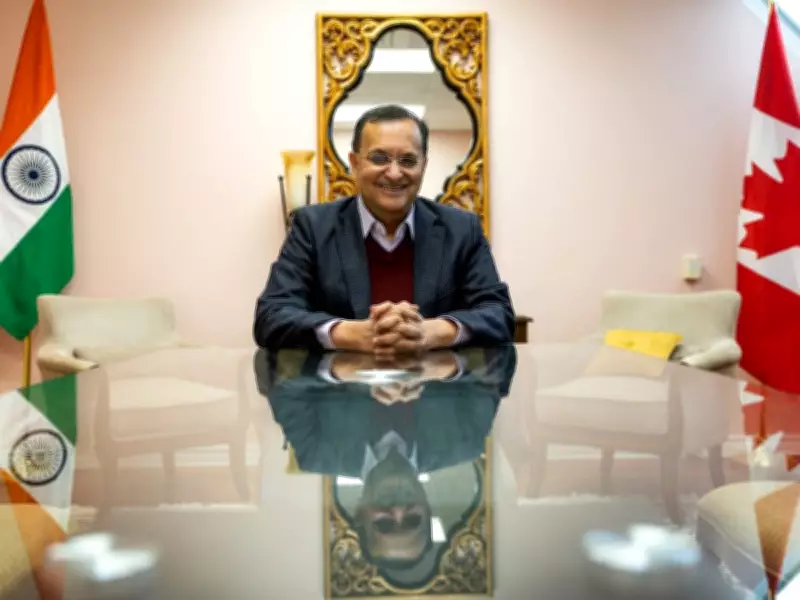
India's High Commissioner to Canada, Dinesh K. Patnaik, has stated that India is prepared to cooperate with Canadian authorities regarding the ongoing court case involving four Indian nationals accused of murdering prominent Sikh activist Hardeep Singh Nijjar. In an exclusive interview with National Post, Patnaik emphasized that both countries are aligned in their approach to the sensitive investigation.
Court Case Will Determine India's Response
Patnaik clarified India's position, explaining that "the case is in court" and that India's response will depend on the judicial outcome. "If the case comes out that there are some individuals, whether it is government, non-government, or individuals from India, who are involved in it, we will take action," he stated firmly during the wide-ranging discussion.
The envoy reiterated that India maintains its willingness to share any evidence it possesses with Canadian authorities. "We both are on the same page in discussing, if there is any evidence we have, we will give it to the Canadian side," Patnaik affirmed, highlighting the diplomatic understanding between the two nations.

Background of Diplomatic Tensions
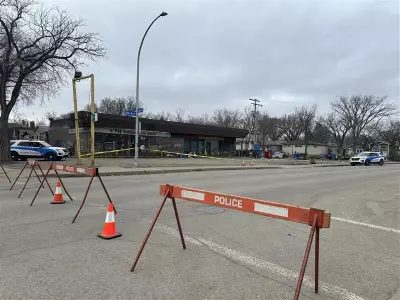
The relationship between Canada and India experienced significant strain following former Prime Minister Justin Trudeau's September 2023 announcement to the House of Commons. Trudeau revealed that Canadian security agencies were investigating "credible allegations of a potential link" between Indian government agents and Nijjar's shooting outside a British Columbia temple in June 2023.
India had designated Nijjar, who advocated for a separate Sikh homeland within India, as a terrorist but consistently denied involvement in his death. The situation escalated in May 2024 when the Royal Canadian Mounted Police arrested and charged four Indian nationals with:
- First-degree murder
- Conspiracy to commit murder
Patnaik confirmed that India's position remains unchanged regarding Canada's initial allegations. "We have discussed, but Canada doesn't need to share evidence with us. There's a court case going on, Canada needs to put the case in the court, that's all," he explained, addressing the diplomatic friction.
Path Forward for Cooperation
The High Commissioner outlined specific conditions for India's potential cooperation, stating "If they need us to cooperate, we will. It's a court investigation in Canada. If the Canadian side need any information, if the court directs Canadian side to ask for information, we (will) provide whatever we have."
This statement comes at a crucial diplomatic moment, as Prime Minister Mark Carney prepares for an anticipated trip to India. The Canadian government seeks to rebuild ties and diversify trading relationships amid economic uncertainties involving the United States.
While Canadian officials have previously expressed frustration with India's perceived lack of cooperation in criminal investigations, recent developments indicate a shift toward greater willingness to collaborate. Patnaik's comments suggest a potential thaw in diplomatic relations as both nations navigate this complex international case.
The murder investigation continues to unfold in Canadian courts, with India maintaining its position of conditional cooperation based on judicial requirements and outcomes. The diplomatic dialogue between Ottawa and New Delhi remains focused on balancing legal processes with international relations.