

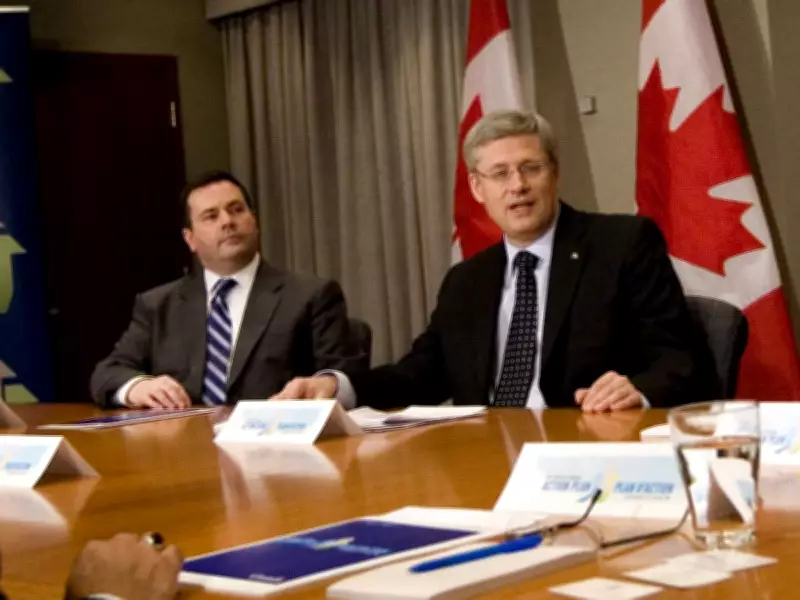
In a revealing analysis of Canada's evolving immigration landscape, political commentator Brian Lilley has engaged in a detailed discussion with former Immigration Minister and Alberta Premier Jason Kenney. The conversation centers on the significant shifts in immigration policy that have occurred since the transition from Stephen Harper's Conservative government to Justin Trudeau's Liberal administration.
Examining the Harper Era Immigration Framework
During Stephen Harper's tenure as prime minister, Canada implemented a structured immigration system that emphasized economic integration and controlled growth. Jason Kenney, who served as Minister of Citizenship, Immigration and Multiculturalism from 2008 to 2013, played a pivotal role in shaping these policies. The approach focused on attracting skilled workers, streamlining application processes, and maintaining a balance between humanitarian obligations and economic needs.
Key Components of Harper's Immigration Strategy
- Economic Immigration Programs: Prioritization of Express Entry and Provincial Nominee Programs to address labor market demands.
- Family Reunification Controls: Implementation of caps and stricter criteria for family sponsorship applications.
- Refugee Processing: A measured approach to refugee resettlement with emphasis on security screening and integration support.
The Trudeau Administration's Transformative Approach
Since assuming office in 2015, Prime Minister Justin Trudeau has introduced sweeping changes to Canada's immigration framework. These modifications have expanded admission targets, increased refugee intake, and altered the criteria for family reunification. The current government's philosophy emphasizes humanitarian considerations and multicultural inclusion, marking a distinct departure from the previous administration's priorities.

Notable Policy Shifts Under Trudeau
- Increased Immigration Levels: Annual admission targets have risen substantially, with plans to welcome over 400,000 immigrants annually by 2026.
- Refugee Policy Expansion: Enhanced commitment to refugee resettlement, particularly through private sponsorship programs.
- Family Reunification Liberalization: Removal of previous caps and accelerated processing for family sponsorship applications.
- Pathway to Citizenship: Simplified procedures for permanent residents seeking Canadian citizenship.
Comparative Analysis and Political Implications
Brian Lilley's discussion with Jason Kenney highlights the fundamental philosophical differences between the two approaches. While Harper's policies emphasized economic utility and controlled growth, Trudeau's framework prioritizes humanitarian values and demographic expansion. This divergence reflects broader ideological contrasts between Conservative and Liberal governance in Canada.
The interview reveals concerns about the long-term implications of these policy changes, including potential strains on social services, housing markets, and integration resources. Kenney argues that the Harper government's balanced approach better served Canada's economic interests while maintaining humanitarian commitments.
As Canada continues to navigate complex immigration challenges, this analysis provides valuable insight into how political leadership shapes national policy. The transformation from Harper's structured system to Trudeau's expansive approach represents one of the most significant policy shifts in recent Canadian history, with implications that will resonate for generations.






