Four Years After Ukraine Invasion, Canada Confronts Critical Defence Decisions
As the full-scale invasion of Ukraine by Russia marks its fourth anniversary, Canada finds itself at a pivotal crossroads regarding its defence posture and international responsibilities. The prolonged conflict has exposed vulnerabilities in global security architectures, forcing nations worldwide to reassess their military readiness and strategic alliances.
Strategic Reassessment in a Volatile Global Landscape
The ongoing war in Eastern Europe has fundamentally altered geopolitical calculations, compelling Canadian policymakers to confront difficult questions about defence spending, equipment modernization, and troop deployment capabilities. With NATO allies increasing their military budgets and enhancing rapid response forces, pressure mounts for Canada to align its defence contributions with evolving alliance expectations.
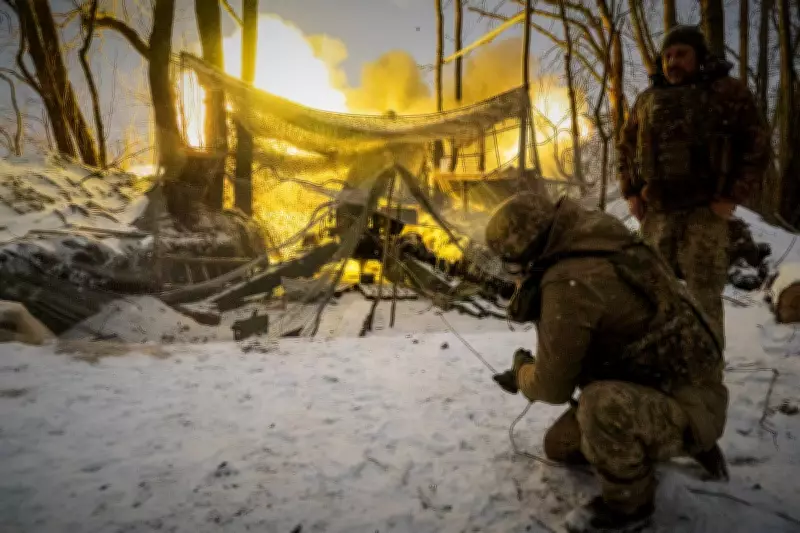
Defence analysts emphasize that the conflict has demonstrated the critical importance of maintaining robust conventional forces alongside advanced technological capabilities. The Ukrainian military's effective use of Western-supplied weaponry against a larger adversary has particularly influenced discussions about Canada's own arsenal requirements and interoperability with allied forces.

Budgetary Pressures and Political Considerations
The financial implications of bolstering Canada's defence capabilities present significant challenges amid competing domestic priorities. Military modernization programs, including naval fleet renewal, fighter jet replacement, and cyber warfare development, require substantial long-term investment that must be balanced against social programs and infrastructure needs.
Political consensus on defence spending remains elusive, with different parties advocating varying approaches to national security. Some argue for immediate increases to meet NATO's two percent of GDP spending target, while others prioritize targeted investments in specific capabilities rather than across-the-board budget expansion.
International Commitments and Diplomatic Balancing
Canada's support for Ukraine has included military training missions, equipment donations, and economic sanctions against Russia. These commitments have stretched existing resources while establishing precedents for future international engagements. The government must now determine whether to maintain current support levels, increase assistance, or potentially redirect resources to other global hotspots.
The defence decisions facing Canada extend beyond Ukraine to encompass broader strategic concerns in the Arctic, Indo-Pacific region, and multilateral peacekeeping operations. Each theatre presents unique challenges requiring specialized capabilities and sustained diplomatic engagement.
Future Preparedness and National Security
Military planners warn that the lessons from Ukraine must inform Canada's defence strategy for decades to come. This includes not only conventional warfare preparedness but also resilience against hybrid threats, cybersecurity vulnerabilities, and economic coercion tactics increasingly employed in modern conflicts.
Public opinion regarding defence spending has shifted since 2022, with growing recognition of security threats but continued debate about appropriate response levels. The coming months will likely see intensified parliamentary discussions, defence policy reviews, and potentially significant announcements about Canada's military future as the nation navigates this complex decision-making landscape.