In a significant diplomatic disclosure, former Bank of Canada governor Mark Carney has confirmed he held discussions with Chinese President Xi Jinping concerning Greenland and broader issues of Arctic sovereignty. The conversation underscores the growing geopolitical importance of the resource-rich Arctic region.
High-Level Dialogue on Arctic Geopolitics
The talks between Carney and President Xi took place against a backdrop of increasing international interest in the Arctic, driven by climate change and the opening of new shipping routes. While the precise date of the conversation was not specified, the revelation was made public on January 16, 2026. Carney, a figure with substantial influence in global economic and political circles, engaged the Chinese leader on matters critical to Canada's national interests in the Far North.
This dialogue highlights the complex diplomatic landscape surrounding Greenland, an autonomous territory within the Kingdom of Denmark. The island's strategic location and vast untapped mineral resources have made it a focal point for global powers, including China, which has been expanding its Polar Silk Road initiatives.

Context of a Changing Arctic
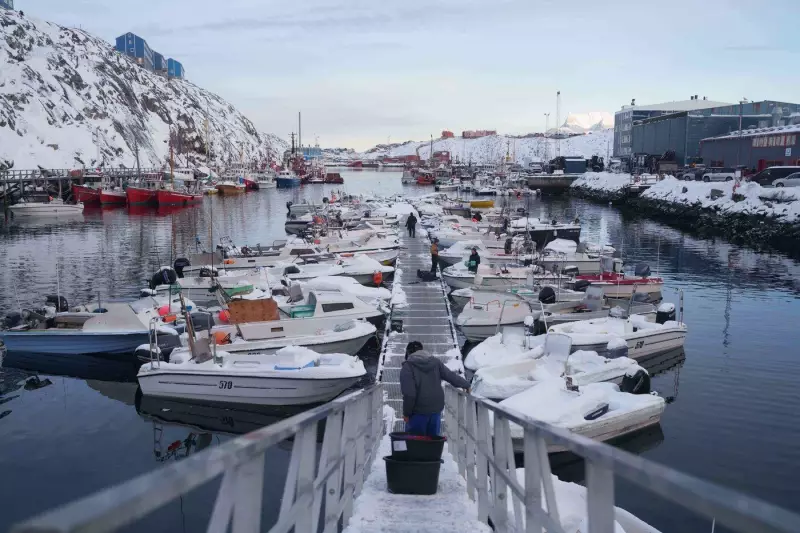
The discussion occurred as visual reports from Nuuk, Greenland, on January 14, 2026, showed local fishermen at harbour, a snapshot of daily life in a region at the centre of geopolitical manoeuvring. The melting Arctic ice cap is transforming the region's economic and strategic dynamics, prompting nations to reassess their policies and partnerships.
Carney's engagement with Xi signals a recognition of China's role as a key stakeholder in Arctic development. For Canada, a nation with the world's longest Arctic coastline, maintaining sovereignty and promoting stable, rules-based cooperation in the region is paramount. The conversation likely touched upon balancing economic development with environmental protection and respecting the rights of Indigenous peoples.
Implications for Canadian Foreign Policy
This high-level exchange has several potential implications. First, it demonstrates the use of informal diplomatic channels, where figures like Carney can facilitate sensitive discussions. Second, it places Arctic sovereignty firmly on the agenda of Canada-China relations, a bilateral relationship often marked by tension.
The news follows Carney's recent achievement of a landmark tariff-quota deal with China on electric vehicles and canola, showcasing his ongoing role in shaping economic and diplomatic ties. The Greenland discussion suggests his portfolio of influence extends into core strategic and security domains.
As climate change accelerates access to the Arctic, such dialogues will become increasingly crucial. Canada faces the dual challenge of asserting its sovereignty while engaging with international partners, including major powers like China, to ensure the region's future is governed by cooperation and international law.