






Canada Urges U.S. and Iran to Protect Civilian Infrastructure Amid Tensions
Canada Urges U.S., Iran to Protect Civilian Infrastructure

Canada Calls for Restraint in Middle East Conflict, Warns Against Targeting Civilian Sites

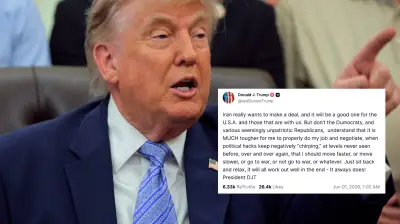
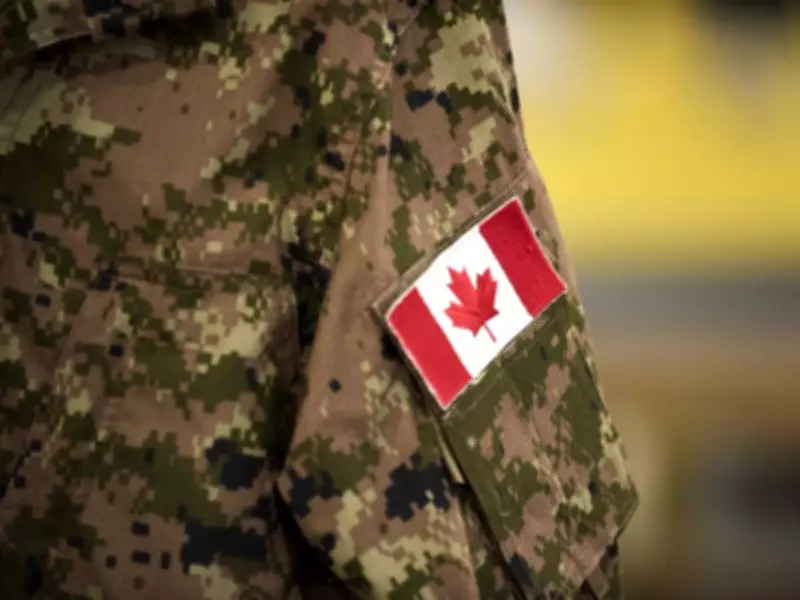
Canadian Prime Minister Mark Carney has issued a strong appeal to all parties involved in the escalating Middle East conflict, urging them to avoid targeting civilian infrastructure and adhere strictly to international law. This call comes in response to recent threats from United States President Donald Trump, who warned that "a whole civilization will die" if Iran fails to meet his demands.

International Law Must Be Respected

Speaking at a news conference near Toronto, Prime Minister Carney emphasized that every country in the conflict must follow established rules of engagement. "That means not targeting, certainly, civilians or civilian infrastructure, and we urge all parties in this war to follow those responsibilities," Carney stated firmly. He acknowledged that public statements often differ from private negotiations but stressed that talks must ultimately lead to a "cessation of hostilities and a reestablishment of security and peace in the region."

Trump's Ultimatum and Iranian Response

The Canadian leader's comments followed President Trump's threatening social media post on Truth Social, in which he gave Iran until 8 p.m. Washington time to reopen the strategically vital Strait of Hormuz or face strikes on major infrastructure including power plants and bridges. In response to this ultimatum, Iran has reportedly halted participation in cease-fire talks, according to sources familiar with the private deliberations. Mediators are now scrambling to resuscitate negotiations ahead of the looming deadline.

Wide Pickt banner — collaborative shopping lists app for Telegram, phone mockup with grocery list

Canada's Diplomatic Position and Potential Involvement

Prime Minister Carney has maintained a carefully balanced position throughout the conflict. While initially supporting the U.S. goal of preventing Iran from obtaining nuclear weapons, he later clarified that Canada would never participate in offensive military campaigns led by the U.S. and Israel in the Middle East. However, both Carney and Foreign Minister Anita Anand have left open the possibility of Canada contributing to defensive missions or joining coordinated efforts with allies to secure the Strait of Hormuz.

Foreign Minister's Regional Diplomacy

Speaking separately in Vancouver, Foreign Minister Anita Anand echoed the prime minister's call for respect of international law, stating unequivocally that civilian infrastructure should never be a military target. "That is our position internationally, and it applies to all states," Anand declared. The foreign minister recently traveled to the Middle East, where she met with Saudi Arabia's foreign minister as part of Canada's diplomatic efforts.

Canada is working closely with Gulf nations to support them against potential Iranian retaliation and to signal Canada's desire to see the Strait of Hormuz reopened for international shipping. "This is a moment for deescalation and we need to work together as countries to ensure that that occurs," Anand emphasized during her remarks.

Strategic Importance of the Strait of Hormuz

The Strait of Hormuz represents one of the world's most critical maritime chokepoints, through which approximately one-fifth of global oil consumption passes. Its closure would have devastating consequences for international energy markets and global economic stability. Canada's involvement in potential defensive missions to secure this vital waterway underscores the country's commitment to maintaining international trade routes and regional stability.

As tensions continue to escalate, Canadian officials remain engaged in diplomatic channels while preparing for various contingencies. The government's dual approach—calling for restraint while exploring defensive cooperation with allies—reflects the complex balancing act required in this volatile geopolitical situation.

Pickt after-article banner — collaborative shopping lists app with family illustration