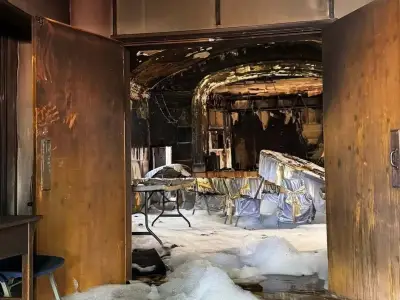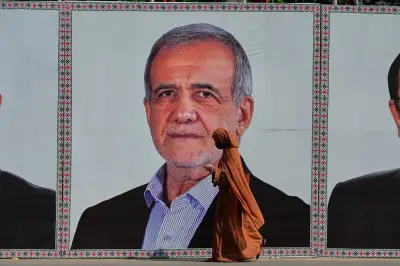
The United States launched military strikes on Iran on June 26, 2026, in retaliation for an attack on a ship that President Donald Trump said violated a ceasefire agreement. The strikes mark a significant escalation in tensions between the two nations, which have been engaged in on-again, off-again peace talks.
Details of the Attack and Response
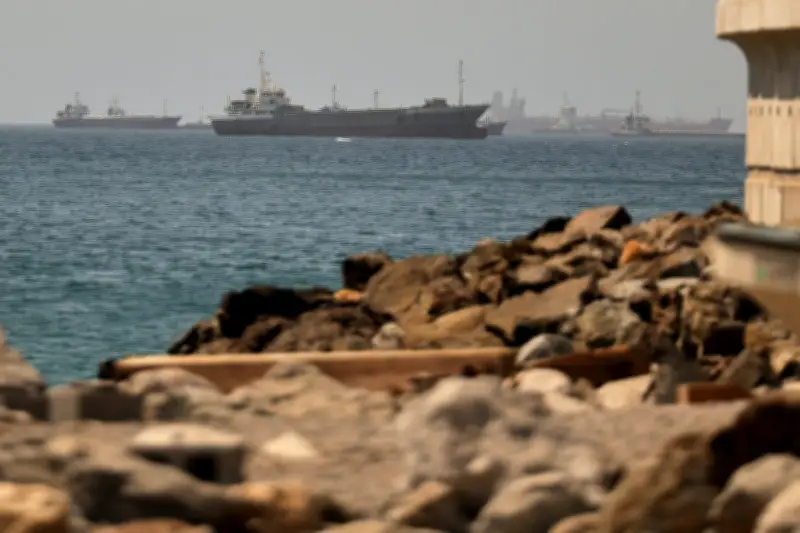
According to the Associated Press, the U.S. strikes were ordered after an attack on a commercial vessel in the Persian Gulf. President Trump stated that the attack violated a ceasefire that had been brokered earlier this year. The strikes targeted Iranian military facilities, though specific locations and casualties have not been confirmed.
Former chief of the defence staff (Ret'd) Gen. Tom Lawson and head of mission in Iran Dennis Horak discussed the postponed U.S.-Iran peace talks, noting that the strikes could further delay diplomatic efforts. Lawson said, "This action undermines the fragile progress made in negotiations." Horak added that "both sides need to return to the table, but this makes it harder."

International Reactions and Implications
The strikes have drawn mixed reactions from the international community. Canada, which has no embassy in Iran, expressed concern over the escalation. Foreign Minister Mark Carney noted that having no embassy in Iran puts Canada at "a disadvantage" in de-escalating tensions. The U.S. has also threatened a 100% tariff penalty on countries that impose taxes on digital services, further straining global trade relations.
The attack on the ship and subsequent U.S. strikes come amid a busy news cycle, including the FIFA World Cup in Toronto, where Senegal beat Iraq 5-0, and other events. However, the military action has dominated headlines.
Broader Context: U.S.-Iran Relations
The U.S.-Iran conflict has a long history, with recent peace talks aimed at curbing Iran's nuclear program and regional influence. The ceasefire, which Trump said was violated, had been a key step toward normalization. The strikes could jeopardize future negotiations and increase instability in the region.
Experts warn that the strikes may lead to retaliatory actions from Iran or its proxies, potentially drawing in other nations. The Canadian government has urged restraint, while the U.S. maintains that the strikes were a necessary response to protect American interests and allies.