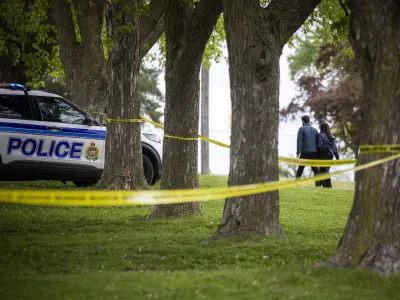
U.S. Republicans are increasingly framing the northern border with Canada as a significant national security concern, pushing for more resources and technology to police the frontier. At a joint congressional hearing on June 30, 2026, titled “Northern Exposure: Assessing the Evolving Threat Landscape at America’s Northern Border,” lawmakers and witnesses argued that the border remains vulnerable despite improvements in patrolling.
Hearing Highlights Claims of Rising Threats
Rep. Michael Guest (R-MS), chair of the hearing, opened proceedings by stating, “We cannot allow the northern corridor to become the next preferred corridor for these criminal networks.” Guest cited Customs and Border Protection data showing a sharp rise in the northern border’s share of encounters and increased seizures, though the specific dataset was not clarified.
Rep. August Pfluger (R-TX) emphasized that “individuals of concern, including those appearing on the terror watchlist, are increasingly attempting to reach the United States through Canada.” He noted that differing immigration policies between the U.S. and Canada create openings for smugglers and risky crossings.

Democrats Highlight ICE Overreach
Throughout the hearing, Democrats repeatedly raised concerns about overreach by Immigration and Customs Enforcement (ICE) agents domestically, contrasting with the Republican focus on border security. The partisan divide underscored ongoing tensions over enforcement priorities.
Witnesses Call for More Resources
Acting Deputy Chief of U.S. Border Patrol Jason Schneider described the northern border as “a large, difficult, and evolving security environment” that requires a layered approach with more agents, enhanced technology, and flexible enforcement. He emphasized that smugglers adapt quickly, necessitating constant vigilance.
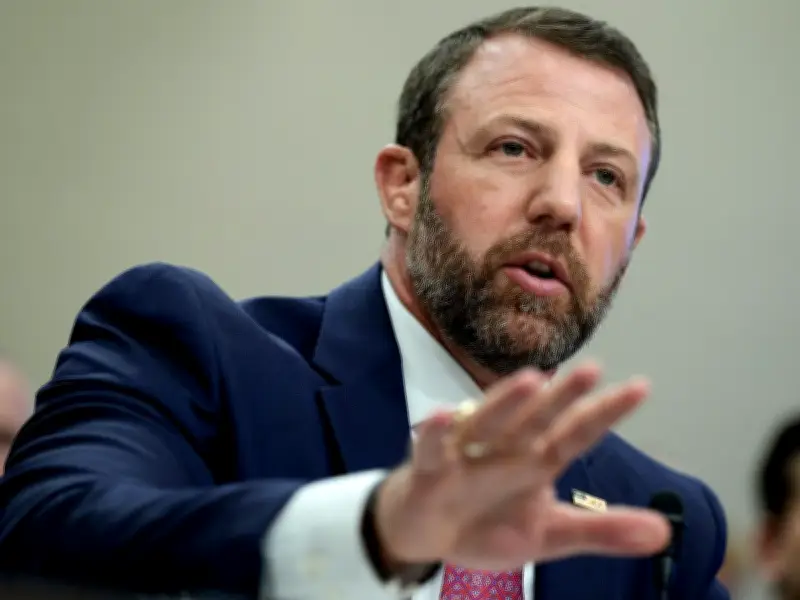
Homeland Security Secretary Markwayne Mullin had previously argued, during a CSIS panel two weeks earlier, that pressure on Mexican cartels at the southern border was pushing criminal operations and fentanyl trafficking northward. However, drug researchers questioned that claim, noting a lack of evidence for a significant shift.
Data and Disputes
Republicans pointed to rising encounter numbers at the northern border, but Democrats and some experts questioned the data’s interpretation. The hearing aimed to identify resources and authorities needed to support frontline personnel, with Guest and Pfluger stressing the need to prevent the U.S.-Canada border from becoming a liability.
Despite Border Patrol reporting measurable progress, witnesses repeatedly claimed the border is not fully secure. The hearing concluded with calls for a tougher stance, including increased technology and enforcement flexibility to counter evolving threats.