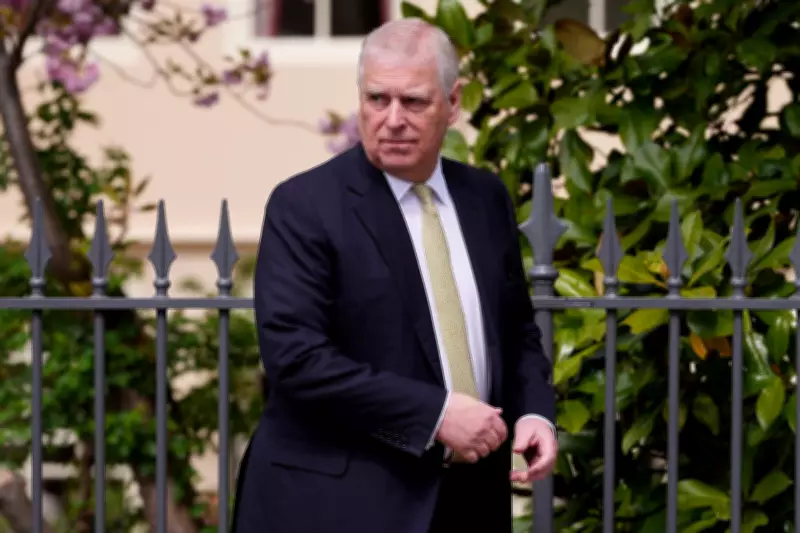
The United Kingdom government has announced plans to release official documents concerning the appointment of Prince Andrew, now known as Andrew Mountbatten-Windsor, as a trade envoy. This decision comes amid ongoing scrutiny of his involvement in diplomatic and business roles.
Background of the Appointment
Prince Andrew served as the UK's special representative for international trade and investment from 2001 to 2011. His role involved promoting British businesses abroad, but it drew criticism due to his connections with controversial figures and his lack of formal diplomatic training.
Why the Papers Are Being Released
The release follows years of pressure from transparency advocates and lawmakers who argued that the public has a right to understand the full scope of his activities. The documents are expected to include correspondence, meeting notes, and financial records related to his trade missions.

Critics have questioned whether his royal status improperly influenced business deals and whether adequate oversight was in place. Supporters maintain that his work helped boost UK exports and strengthen economic ties.
What the Documents Might Reveal
While the exact contents remain unknown, analysts anticipate the papers will detail interactions with foreign leaders, corporate sponsors, and potential conflicts of interest. The release could also shed light on the decision-making process behind his appointment and any subsequent reviews of his performance.
The UK government has stated that the release is part of a broader effort to increase transparency in public appointments. However, some documents may be redacted to protect national security or personal privacy.
Reactions and Implications
The announcement has sparked mixed reactions. Transparency campaigners have welcomed the move, calling it a step toward accountability. Meanwhile, royal commentators note that it could further strain the monarchy's reputation, especially given Prince Andrew's previous legal troubles and his step back from public duties.
The documents are expected to be published in the coming weeks through the National Archives. This development marks a significant moment in the ongoing debate about the role of the royal family in UK diplomacy and commerce.