President Trump's Davos Trip Disrupted by Air Force One Mechanical Problem
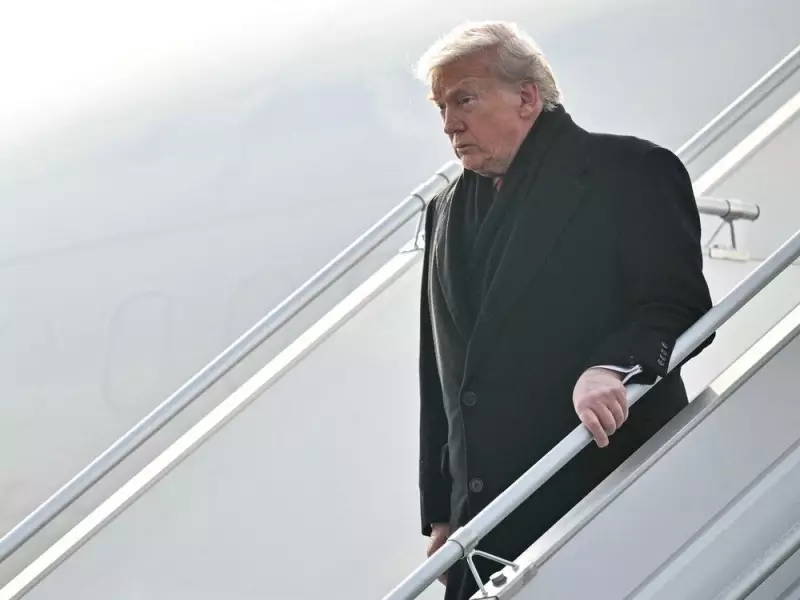
U.S. President Donald Trump finally arrived in Zurich, Switzerland on January 21, 2026, to attend the World Economic Forum in Davos, but his journey was marked by an unexpected mechanical issue with Air Force One that caused significant delays. The president's transatlantic flight was forced to return to Joint Base Andrews outside Washington after takeoff due to what the White House described as "a minor electrical issue" discovered by the crew.
Flight Interruption and Replacement Aircraft
The initial departure occurred at approximately 9:45 p.m. local time on Tuesday, but the aircraft turned around out of an abundance of caution according to White House Press Secretary Karoline Leavitt. After landing shortly after 11 p.m., Trump and his delegation boarded a replacement plane—a smaller Boeing 757 typically used by the vice president and Cabinet members—instead of the planned 747 aircraft. The group took off again minutes after midnight, arriving in Zurich following a more than two-hour delay.
Schedule Maintained Despite Setback
Remarkably, despite the transportation hiccup, Trump maintained his scheduled appearance at the World Economic Forum. A spokesperson confirmed that the president would still deliver his address to global business leaders and policymakers at 2:30 p.m. local time as originally planned. Following his arrival in Zurich, Trump traveled to the Alpine ski resort of Davos where his packed agenda included:

- Delivering his keynote address to forum attendees
- Holding meetings with foreign leaders throughout the day
- Attending a reception for international business leaders
- Potentially holding a signing ceremony for his proposed "Board of Peace" initiative
Geopolitical Context of the Visit
The mechanical delay occurred against a backdrop of significant geopolitical tension surrounding Trump's visit. The president's trip comes as he confronts international criticism over several controversial policies, including:
- Threats to make Greenland part of the United States
- Proposals to establish a "Board of Peace" for Gaza that some allies worry could supplant United Nations involvement
- Recent tariff threats against eight NATO partners including Denmark and the United Kingdom
These moves have created what European leaders describe as one of the starkest tests of Trump's presidency for both NATO and the European Union. The tensions have even roiled financial markets, with U.S. stock futures showing tentative recovery after the S&P 500 experienced its largest drop in three months.
Diplomatic Preparations and Challenges
Ahead of Trump's arrival, senior U.S. officials urged allies to remain calm and avoid taking action until hearing directly from the president. However, diplomatic relationships have been strained by harsh words directed at key allies France and the United Kingdom, setting the stage for what observers anticipate will be a particularly tense gathering of world leaders.
The proposed "Board of Peace" initiative has been particularly controversial, with invitations extended to dozens of world leaders including Russian President Vladimir Putin—even as Russia continues its war in Ukraine. Several allied leaders have already declined participation, drawing strong rebukes from the Trump administration.
Despite the flight delay and surrounding controversies, Trump's schedule proceeded as planned, marking his first in-person appearance at the World Economic Forum since his virtual participation in 2025. The president's address was expected to focus on policies addressing voter concerns about affordability, though these domestic messages risked being overshadowed by the international diplomatic tensions that have come to characterize his European visit.