Trump Announces Plan to Deploy Federal Troops to Los Angeles for World Cup Security
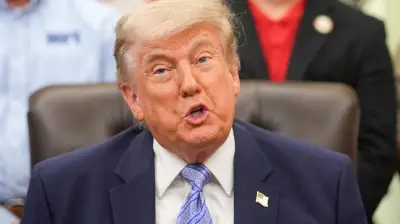
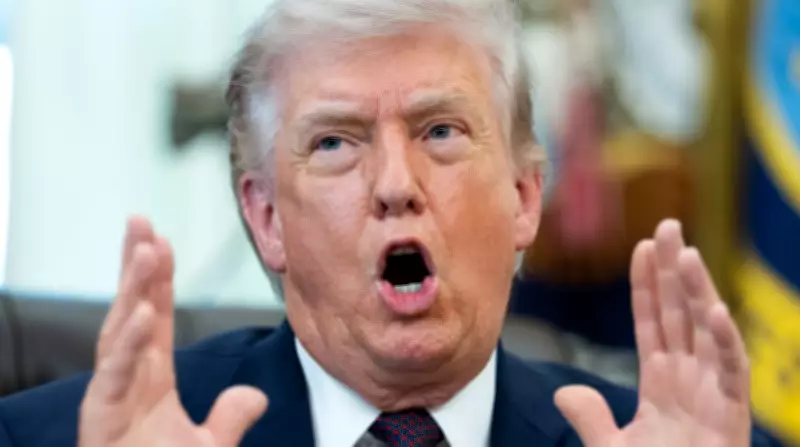
In a recent Oval Office press briefing, former President Donald Trump declared his intention to "force" federal troops into Los Angeles when the city hosts part of the upcoming World Cup this summer. The announcement came during a wide-ranging discussion that touched on topics from voter fraud to transgender athlete bans, before shifting focus to his administration's crime reduction efforts in Washington, D.C.
"We Have the Right to Do It"
Trump emphasized his determination to implement similar security measures in Los Angeles, regardless of local opposition. "We're gonna have to do something when it comes World Cup time, and we're gonna have to force ourselves upon them, which we have the right to do," he told reporters. "Because we don't want to have any crime, we don't want to have any problems."
This statement reflects Trump's ongoing concern about public safety during major international events, though it raises questions about federal overreach and local autonomy.

History of Similar Threats
This isn't the first instance where Trump has suggested deploying military forces to Los Angeles for sporting events. Last August, he indicated willingness to use "anything necessary to keep the Olympics safe," including National Guard or military deployment, when Los Angeles hosts the 2028 Summer Olympics.
The Trump administration previously intervened in Los Angeles during widespread protests surrounding deportation raids in Southern California, establishing a pattern of federal involvement in local affairs.
Economic Implications and Political Warnings
Trump has also threatened to relocate World Cup matches from what he termed "blue states" and Democrat-led cities if he perceives insufficient crime-fighting efforts. He warned last November, "The governors are gonna have to behave, the mayors are gonna have to behave," suggesting economic benefits could be shifted away from non-compliant jurisdictions.
The World Cup, scheduled for June and July across the U.S., Mexico, and Canada, includes host cities such as Atlanta, Boston, Dallas, Miami, New York, Philadelphia, the San Francisco Bay Area, and Seattle, making security coordination a complex multinational endeavor.
Broader Context and Implications
Trump's remarks highlight ongoing tensions between federal authority and local governance, particularly regarding public safety and event security. His focus on Los Angeles underscores the city's prominence as a venue for international events, but also reflects political divisions in approaches to crime prevention.
As preparations for the World Cup continue, this announcement adds a layer of controversy to discussions about security protocols, federal-local partnerships, and the balance between safety measures and civil liberties.