In a significant shift in U.S. drug policy, President Donald Trump has taken action to loosen federal restrictions on marijuana. The move, executed via an executive order signed on Thursday, December 18, 2025, has immediately generated a wave of hope and anticipation within the burgeoning cannabis industry.
The Oval Office Announcement
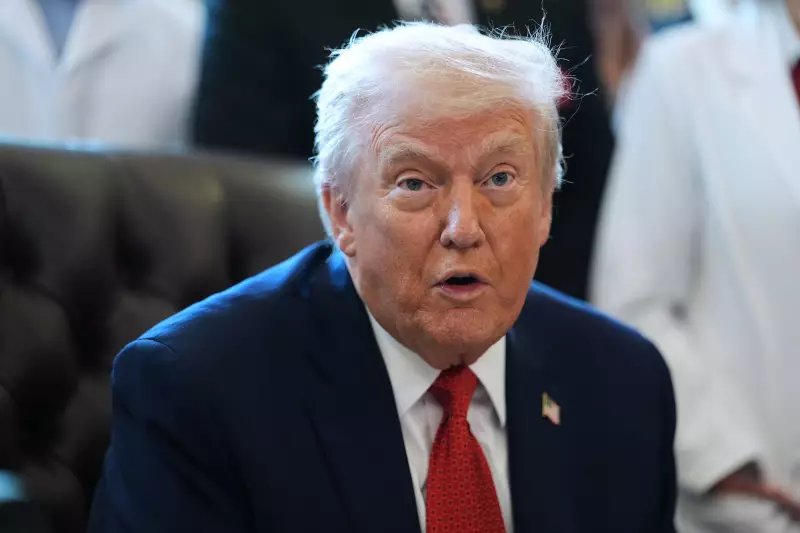
President Trump formalized the regulatory change during a signing ceremony in the Oval Office. The event, documented by Associated Press photographer Evan Vucci, marks a pivotal moment in the long-running national debate over cannabis legalization. While the exact details of the executive order's provisions are still being analyzed, its core intent is to initiate a process of easing the federal regulatory burden on marijuana, which remains classified as a Schedule I controlled substance.
This action represents a notable departure from the strict federal prohibition that has persisted even as numerous individual states, including several key markets, have moved to legalize cannabis for medical and recreational use. The disconnect between state and federal law has created significant legal and financial hurdles for businesses operating in the sector.

Immediate Industry Reaction and Potential Impacts
The announcement was met with immediate optimism from industry stakeholders. For years, cannabis companies have faced challenges in accessing traditional banking services, conducting interstate commerce, and securing investment due to the federal ban. Easing these regulations could unlock substantial capital, streamline operations, and accelerate growth for legal cannabis businesses across the United States.
While the policy change is distinctly American, its effects may ripple northward. The Canadian cannabis industry, which operates federally legalized market, closely watches U.S. regulatory developments. A more open U.S. market could eventually influence trade discussions, investment flows, and the competitive landscape on a continental scale. However, any direct cross-border trade would still face major legal obstacles under current international and U.S. federal law.
A Political and Policy Shift
President Trump's decision to act via executive order underscores the political dimensions of cannabis policy. With legislative efforts to reform federal marijuana laws repeatedly stalling in Congress, the executive branch is utilizing its regulatory authority to force change. This approach ensures the policy shift is implemented swiftly but could also make it more vulnerable to reversal by a future administration.
The move on December 18, 2025, is likely to be viewed as a major victory for advocacy groups and a business sector that has argued for rationalization of the conflicting legal landscape. It signals a continued evolution in the official stance toward cannabis, moving further away from the frameworks of the decades-long "War on Drugs."
As the details of the regulatory easing are clarified and implemented in the coming weeks and months, the business and legal communities will be assessing the practical impacts. For now, the industry's prevailing sentiment is one of renewed hope for stability and expansion under a less restrictive federal regime.