Ontario and Nova Scotia Forge Historic Alcohol Sales Agreement
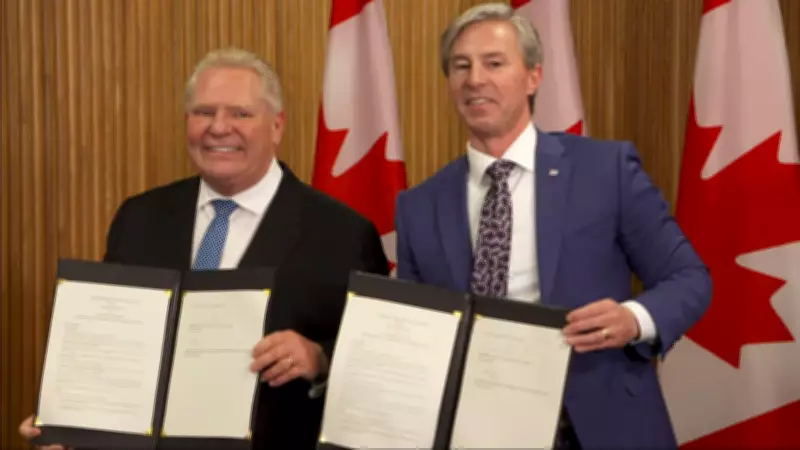
In a landmark move that reshapes Canada's liquor landscape, the provinces of Ontario and Nova Scotia have officially signed an agreement to permit direct-to-consumer alcohol sales between their jurisdictions. The pact, unveiled on Monday, March 2, 2026, by Ontario Premier Doug Ford and Nova Scotia Premier Tim Houston, allows residents to purchase alcoholic beverages directly from producers in the other province, bypassing traditional retail channels.
A New Era for Canadian Consumers and Producers
This bilateral agreement represents a significant liberalization of interprovincial trade barriers that have long governed alcohol distribution in Canada. Under the new framework, consumers in Ontario can order wine, beer, and spirits directly from Nova Scotia producers, while Nova Scotians gain access to Ontario's vast array of craft breweries, wineries, and distilleries. The deal is expected to boost small and medium-sized producers by expanding their market reach without the need for complex distribution agreements.
Premier Doug Ford emphasized the economic benefits, stating that the agreement supports local businesses and provides consumers with greater choice. "This is about cutting red tape and letting people enjoy products from across our great country," Ford remarked during the signing ceremony. Premier Tim Houston echoed these sentiments, highlighting the potential for Nova Scotia's renowned wineries and craft breweries to gain a foothold in Ontario's lucrative market.

Background and Implications
The move comes amid ongoing discussions about modernizing Canada's alcohol regulations, which have historically been criticized for fragmenting the national market. While some provinces have allowed limited interprovincial sales, this agreement is notable for its direct-to-consumer approach, which could set a precedent for other provinces to follow.
Key aspects of the agreement include:
- Direct shipping of alcohol from producers to consumers across provincial lines.
- Compliance with existing provincial laws regarding age verification and taxation.
- Support for local economies by enabling producers to reach new customers without intermediaries.
Industry experts predict that this initiative could lead to increased competition and innovation in the alcohol sector, as producers tailor their offerings to appeal to a broader audience. However, some stakeholders have raised concerns about potential impacts on provincial liquor boards and existing retail networks.
Looking Ahead
The implementation of the agreement is slated to begin in the coming months, with both provinces working out logistical details such as shipping protocols and regulatory oversight. Consumers can anticipate enhanced access to unique regional products, from Ontario's ice wines to Nova Scotia's artisanal spirits.
This development aligns with broader trends toward deregulation in Canada's alcohol industry, reflecting shifting consumer preferences and the growing demand for convenience. As other provinces monitor the outcomes, this pact between Ontario and Nova Scotia may pave the way for a more integrated national market for alcoholic beverages.