Engineer Denies Issuing Warning About Mall Roof Collapse Risk at Public Inquiry
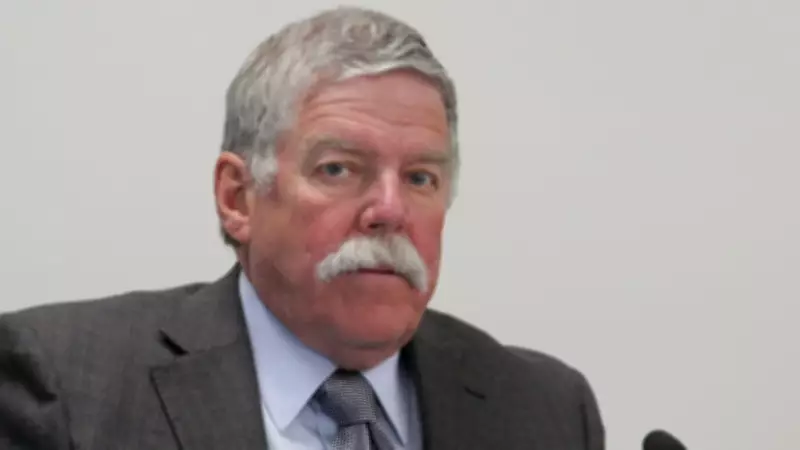
Engineer Robert (Bob) Wood appeared at the public inquiry into the tragic collapse of the Algo Centre Mall in Elliot Lake, Ontario, on Friday, June 7, 2013. During his testimony, Wood firmly denied allegations that he had warned the mall's buyer about the roof's imminent risk of collapse or that it required urgent repairs.
Key Testimony in the Elliot Lake Mall Collapse Investigation
The inquiry, which is examining the circumstances leading to the catastrophic structural failure, heard Wood's account of his involvement with the property. He stated that while he had conducted inspections and provided reports, he did not communicate any specific, dire warnings to the purchaser regarding the roof's stability. This testimony contrasts with earlier claims suggesting that serious structural concerns were known but not adequately addressed prior to the incident.
Background of the Algo Centre Mall Disaster
The Algo Centre Mall collapse in June 2012 resulted in multiple fatalities and injuries, shocking the community of Elliot Lake and prompting a thorough investigation into building safety and regulatory oversight. The public inquiry aims to uncover the root causes, including potential negligence or failures in communication among engineers, owners, and authorities.

Wood's appearance is part of a broader effort to piece together the events that led to the disaster. His denial raises questions about the flow of information and responsibility in maintaining public infrastructure. The inquiry continues to hear from other witnesses, including construction professionals and municipal officials, to develop a comprehensive understanding of the collapse.
Implications for Engineering and Public Safety Standards
This case highlights critical issues in engineering ethics and public safety protocols. It underscores the importance of clear communication and adherence to safety standards in structural assessments. The findings from this inquiry may lead to stricter regulations and improved practices in the inspection and maintenance of commercial buildings across Ontario and beyond.
As the inquiry progresses, further testimonies are expected to shed light on whether there were systemic failures that contributed to the tragedy. The community of Elliot Lake and the broader public await answers, hoping that lessons learned will prevent similar incidents in the future.