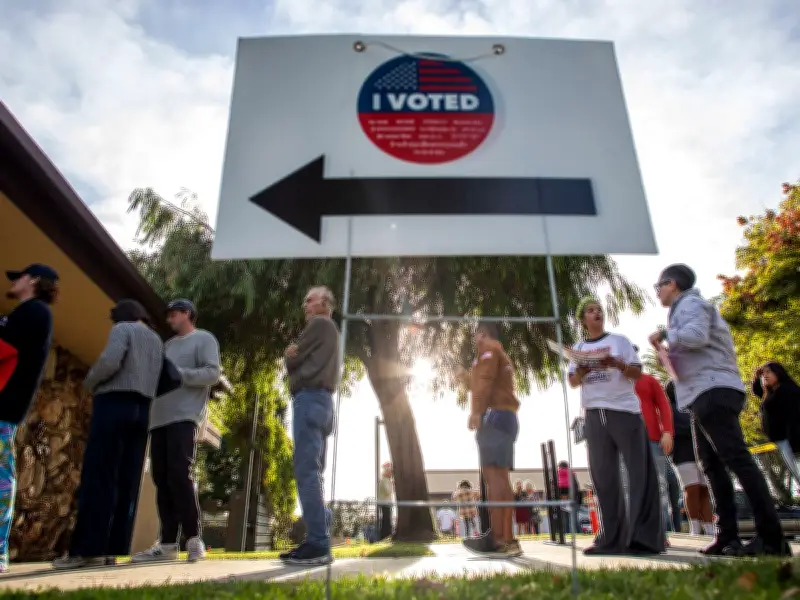
President Donald Trump and his congressional allies are pushing the SAVE America Act, a voter ID law that would require all voters to present valid photo identification, potentially disenfranchising millions of U.S. citizens. Trump has threatened to block a bipartisan housing bill until the legislation passes, making it a flashpoint for Republican infighting.
What the SAVE America Act requires
The bill, championed by Trump ally Senator Mike Lee, mandates that in-person voters present a valid physical photo ID, such as a state-issued driver's license, U.S. passport, military ID, or tribal photo ID with an expiration date. Student IDs, tribal IDs without expiration dates, hunting and fishing licenses, and other state-specific cards would not be accepted. Mail-in voters must provide a copy of their photo ID.
Voters without ID can cast a provisional ballot and have three days to present identification, except those with a religious objection to being photographed. To register or re-register, voters would need a passport, birth certificate, or naturalization papers, or must convince a state official of citizenship with other evidence and an affidavit.

Why Democrats oppose the bill
Democrats argue the requirements would disenfranchise millions, particularly minority, low-income, and elderly voters who may lack such ID. According to the Brennan Center for Justice, over 11% of U.S. citizens of voting age do not have a current, government-issued photo ID. The bill also tightens registration rules, which could suppress turnout.
Despite broad public support — 83% of Americans favor photo ID requirements, per a Pew Research Center poll — critics say the law is a solution in search of a problem, as voter impersonation fraud is extremely rare. House Speaker Mike Johnson called it a “90/10 issue,” stating, “We think that is a non-controversial prospect.”
Trump ties bill to housing legislation
Last week, Trump said he would not sign a bipartisan housing bill unless the SAVE Act passes Congress. After the Supreme Court upheld state laws allowing mail-in ballots received after Election Day to be counted, Trump reiterated the need for the voter ID law and pushed for even stricter measures, like banning most mail-in voting, which are not in the current bill.
Supreme Court rulings impact
The Supreme Court also rejected Trump's attempt to restrict birthright citizenship, ruling that all people born in the U.S. are citizens. This invalidated a key part of his immigration agenda and dealt a blow to his administration.