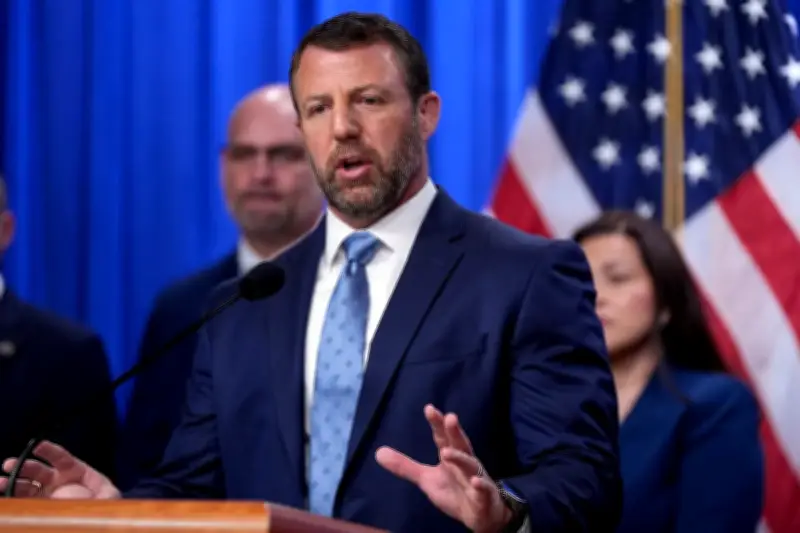
Homeland Security Secretary Markwayne Mullin stated that temporary U.S. migrants should either seek permanent legal status or leave the country, signaling a stricter enforcement approach. The announcement was made during a news conference on unaccompanied children at the Justice Department on June 11, 2026, in Washington.
Policy Details and Implications
Mullin emphasized that the administration is committed to upholding immigration laws and ensuring that temporary migrants do not overstay their visas. According to the Department of Homeland Security, there are currently millions of temporary migrants in the United States, including those on work, student, and tourist visas. The new policy aims to reduce the number of individuals who remain in the country without authorization.
“We are a nation of laws, and those who are here temporarily must comply with the terms of their admission,” Mullin said. “If they wish to stay, they must apply for permanent residency through legal channels. Otherwise, they should make arrangements to depart.”

Impact on Migrants and Communities
Advocacy groups have expressed concern that the policy could lead to increased deportations and family separations. The American Civil Liberties Union (ACLU) criticized the announcement, arguing that it fails to address the backlog in immigration courts and the limited pathways to legal status. According to a 2025 report from the Migration Policy Institute, there are over 11 million undocumented immigrants in the U.S., many of whom entered legally but overstayed their visas.
The policy is expected to affect a broad range of temporary visa holders, including those from Canada, Mexico, and other countries. In response, some Canadian officials have urged their citizens to ensure their immigration status is in order. “We advise all Canadians in the U.S. to verify their visa conditions and seek legal advice if needed,” said a spokesperson for Global Affairs Canada.
Reactions and Next Steps
Immigration experts predict that the policy will face legal challenges, particularly regarding due process rights for long-term temporary residents. The Department of Homeland Security has not yet released detailed implementation guidelines, but Mullin indicated that enforcement actions would begin within 60 days. The announcement comes amid broader debates over U.S. immigration reform, with some lawmakers calling for a comprehensive overhaul to address the status of millions of undocumented individuals.