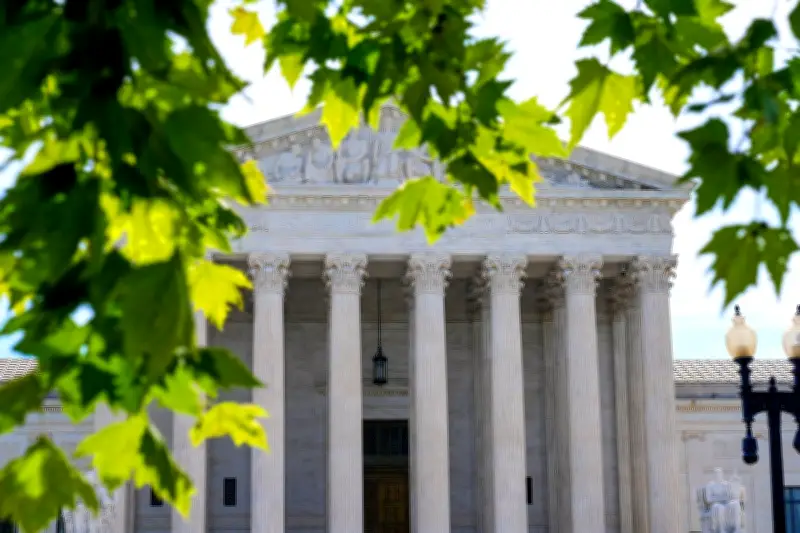
The U.S. Supreme Court has ruled that a Rastafari man cannot sue Louisiana prison officials who forcibly cut his dreadlocks, a decision that upholds qualified immunity for corrections officers. The ruling, delivered on June 23, 2026, stems from a 2014 incident in which guards at the Elayn Hunt Correctional Center shaved the inmate’s hair during a disciplinary strip search, despite his religious objections.
Case Background and Lower Court Rulings
The plaintiff, identified as inmate Kevin C. Williams, alleged that the prison officials violated his First Amendment right to freely exercise his religion. Rastafari tradition holds that hair should not be cut. Williams filed a lawsuit under 42 U.S.C. § 1983, claiming the officers acted with deliberate indifference to his religious beliefs. The U.S. Court of Appeals for the 5th Circuit had previously allowed the suit to proceed, finding that the officers were not entitled to qualified immunity because the right to maintain dreadlocks as a Rastafari was clearly established.
However, the Supreme Court reversed that decision in an 8-1 ruling. Justice Clarence Thomas wrote the majority opinion, stating that the officers were entitled to qualified immunity because the law was not clearly established at the time of the incident. The Court noted that while prison regulations must reasonably accommodate religious practices, the specific context of disciplinary searches and security concerns gave the officers leeway.

Qualified Immunity and Religious Freedom
Qualified immunity protects government officials from civil liability unless they violate a clearly established statutory or constitutional right. The Court emphasized that even if the officers’ actions were wrong, they did not violate any precedent that would have put them on notice. Justice Sonia Sotomayor dissented, arguing that forcibly cutting an inmate’s hair as punishment is an obvious violation of religious freedom and that the Court’s ruling undermines protections for minority faiths.
The case drew attention from religious liberty advocates and civil rights groups. The American Civil Liberties Union (ACLU) filed an amicus brief supporting Williams, arguing that prison officials should not be shielded for targeting religious practices. According to court documents, Williams had been a practicing Rastafari for over a decade and had previously been allowed to keep his dreadlocks without incident.
Impact on Prisoners’ Rights
The ruling sets a precedent that could make it harder for inmates to sue over religious accommodations in prisons. Legal experts say it reinforces the high bar for overcoming qualified immunity in cases involving prison security. The decision may also affect other cases where inmates claim their religious practices were infringed, such as beard length or head coverings.
The Supreme Court’s decision comes amid ongoing debates about the scope of religious freedom in correctional facilities. The Religious Land Use and Institutionalized Persons Act (RLUIPA) requires prisons to accommodate inmates’ religious practices unless there is a compelling government interest. However, the Court found that the officers’ actions were reasonable given the security context of the strip search.
Reactions and Next Steps
Williams’ attorney expressed disappointment, stating that the ruling “allows prison officials to violate religious rights without accountability.” The Louisiana Department of Corrections declined to comment. The case now returns to lower courts for dismissal. The Supreme Court’s decision is final and cannot be appealed.