

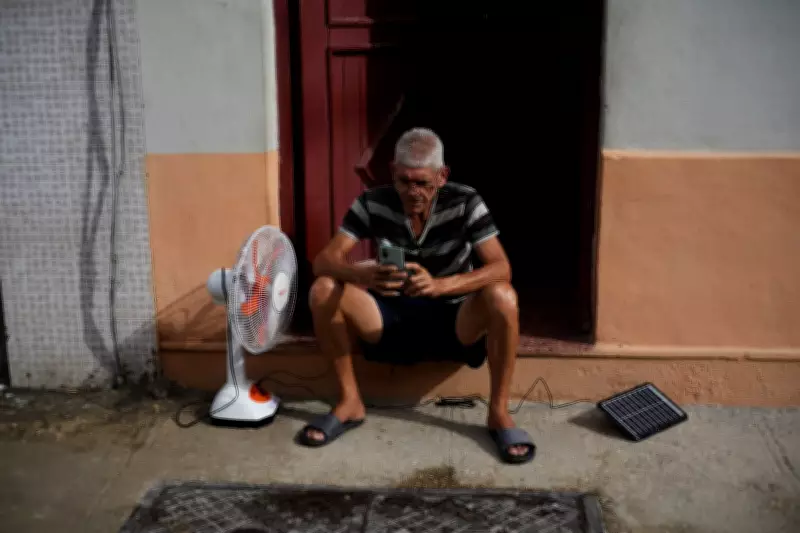
U.S. Senator Marco Rubio has issued a strong call for new leadership in Cuba, as a recent widespread blackout in Havana highlights the deepening economic crisis gripping the island nation. The power outage, which occurred on Tuesday, March 17, 2026, left many residents without electricity, forcing them to rely on alternative sources like solar panels to charge essential devices such as phones and fans.
Economic Struggles Amplified by Infrastructure Failures
The blackout serves as a stark reminder of Cuba's ongoing economic hardships, which have been exacerbated by years of sanctions, mismanagement, and global pressures. Rubio, a longtime critic of the Cuban government, argued that the current leadership has failed to address these critical issues, leading to widespread suffering among the population. He emphasized that without significant political changes, the country's infrastructure and economy will continue to deteriorate.
Resilience and Adaptation in Havana
In response to the blackout, many Cubans demonstrated remarkable resilience by using solar panels to generate power. This adaptation underscores the resourcefulness of the people but also points to the severe limitations of the national grid. The Associated Press captured images of a man in Havana charging his phone and fan with a solar panel, symbolizing the daily struggles faced by ordinary citizens.

Political Implications and International Response
Rubio's statements come amid broader geopolitical tensions, with Cuba's economic crisis drawing attention from international observers. The senator's call for new leaders aligns with U.S. policy aimed at promoting democratic reforms in the region. However, the Cuban government has historically resisted such pressures, maintaining its socialist system despite mounting challenges.
Experts note that the blackout is not an isolated incident but part of a pattern of infrastructure failures that have plagued Cuba for years. These issues are compounded by fuel shortages, outdated technology, and a lack of investment in public utilities. As a result, blackouts have become increasingly common, disrupting daily life and hindering economic recovery efforts.
Looking Ahead: Prospects for Change
While Rubio's demands highlight the urgency of the situation, it remains uncertain whether they will lead to tangible political shifts in Cuba. The government has shown little willingness to cede power, and internal dissent is often met with suppression. Nevertheless, the economic crisis, symbolized by events like the recent blackout, may fuel public discontent and pressure for reforms in the long term.
In conclusion, the blackout in Havana serves as a powerful metaphor for Cuba's broader struggles, with Rubio's call for new leadership underscoring the need for systemic change. As the island grapples with these challenges, the resilience of its people continues to shine through, even in the face of adversity.






