Conservative Leader Demands Immediate Relief at the Pumps
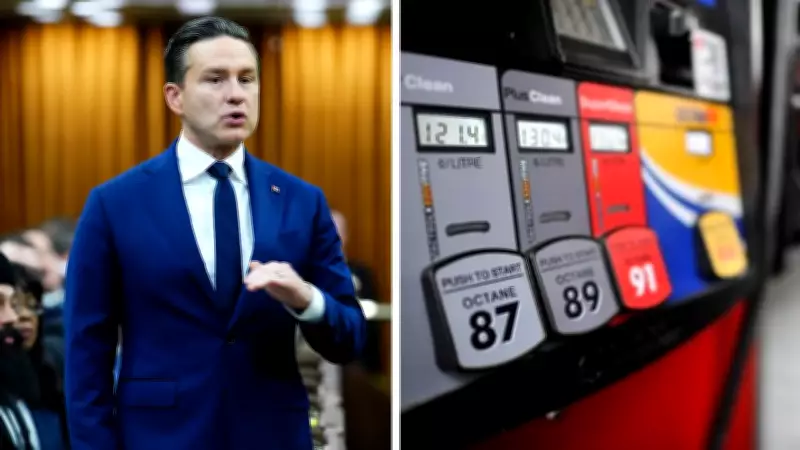
As fuel prices across Canada continue their relentless climb toward the $2 per litre mark, Conservative Leader Pierre Poilievre is urging the federal government to implement immediate cuts to gas taxes. This call for action comes during a period of significant financial strain for many Canadian households, with transportation costs becoming increasingly burdensome.
Mounting Pressure on Federal Leadership
Poilievre's appeal represents a direct challenge to the current administration's economic policies, particularly regarding taxation and cost-of-living measures. The opposition leader argues that reducing federal fuel taxes would provide tangible, immediate relief to consumers who are facing not only high gasoline prices but broader inflationary pressures affecting groceries, housing, and other essential expenses.
This political maneuver occurs against a backdrop of various national developments, including Canada's participation in the historic Artemis II moon mission featuring astronaut Jeremy Hansen, provincial education reforms in Alberta facing criticism, and ongoing healthcare discussions across multiple provinces. However, the issue of fuel affordability remains particularly acute for everyday Canadians, especially those in regions without robust public transportation alternatives.

The Broader Economic Context
The debate over gas taxes intersects with several parallel economic discussions currently unfolding in Canadian politics. These include:
- Federal alcohol tax increases affecting local businesses
- Minimum wage adjustments scheduled for Ontario
- International trade and security discussions following ministerial trips
- Ongoing debates about nationalization of key industries
Poilievre's proposal specifically targets the carbon tax and other federal levies applied to gasoline, suggesting that temporary relief could help stabilize household budgets during this period of economic uncertainty. This position aligns with the Conservative Party's broader critique of the government's environmental and taxation policies, which they argue disproportionately impact middle- and lower-income Canadians.
Regional Variations and Consumer Impact
While the national average for gasoline prices continues to rise, significant regional disparities exist. Quebec has implemented interactive mapping tools to help consumers locate the best fuel prices, while provinces like Alberta are exploring their substantial lithium resources as part of longer-term energy solutions. These regional approaches highlight the complex, multifaceted nature of Canada's energy landscape.
The political response to rising fuel costs has become increasingly polarized, with different parties offering contrasting visions for addressing both immediate affordability concerns and long-term environmental objectives. This tension between short-term relief and sustainable policy represents one of the central challenges in contemporary Canadian governance, particularly as climate change initiatives intersect with economic realities.
As Parliament continues to debate various legislative measures, including new education bills in Alberta and healthcare reforms in multiple provinces, the issue of fuel taxation remains a potent symbol of the broader cost-of-living crisis affecting Canadian families. The coming weeks will likely see intensified discussion about the appropriate balance between revenue generation, environmental protection, and consumer protection in federal policy.