U.S. Treasury to Feature President Trump's Signature on New Currency
In a historic first for the United States, the U.S. Treasury has revealed plans to incorporate President Donald Trump's signature onto new paper currency. This unprecedented move marks a significant departure from tradition, as no sitting president has ever had their signature featured on American money during their term in office.
Breaking with Historical Precedent
The decision represents a notable break from longstanding practices in American currency design. Typically, signatures appearing on U.S. currency belong to Treasury officials rather than sitting presidents. This development comes as the Treasury prepares to introduce new banknotes with enhanced security features and updated designs.
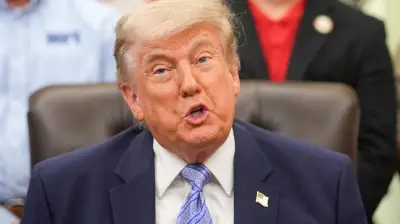
President Trump commented on the initiative during a recent Cabinet meeting at the White House, expressing his approval of the Treasury's plan. The announcement has generated considerable discussion among political observers and historians, who note the symbolic significance of a sitting president's signature appearing on the nation's currency.

Implementation Timeline and Details
The Treasury Department has indicated that the new currency featuring President Trump's signature will begin circulating in the coming years. While specific denominations have not been disclosed, officials confirm that multiple bill values will include the presidential signature as part of their updated design elements.
This development occurs alongside other Treasury initiatives aimed at modernizing U.S. currency, including improved anti-counterfeiting measures and accessibility features for visually impaired citizens. The inclusion of a sitting president's signature adds a unique historical dimension to these ongoing modernization efforts.
Historical Context and Reactions
Previous U.S. presidents have only appeared on currency posthumously, with their portraits serving as the primary visual representation rather than their signatures. The decision to feature President Trump's signature while he remains in office represents a novel approach to currency design that may establish new precedents for future administrations.
Financial experts and political analysts are closely monitoring public reaction to this announcement, particularly regarding how it might influence perceptions of presidential authority and the symbolic relationship between national leadership and economic instruments. The Treasury maintains that this change represents a natural evolution in currency design rather than a political statement.
As implementation plans progress, additional details regarding the specific appearance of the signature, its placement on various denominations, and the complete timeline for circulation will be released by Treasury officials in the coming months.