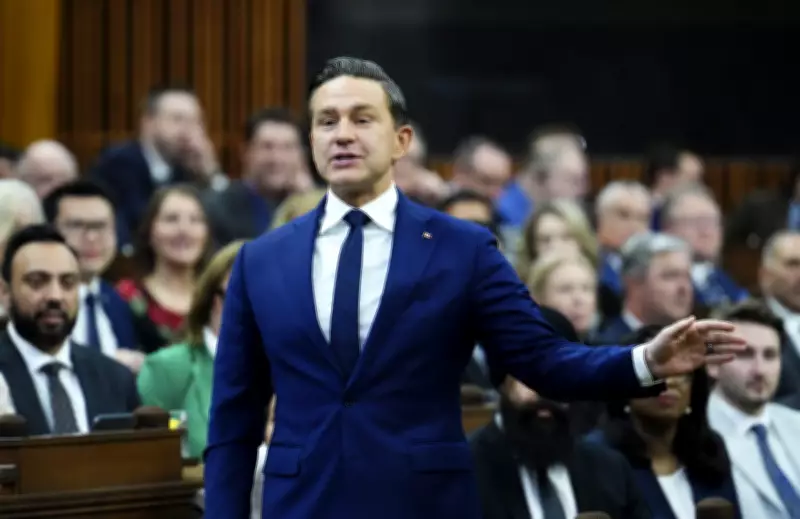
Poilievre's Byelection Could Cost Canadian Taxpayers Over $2.3 Million
A federal byelection necessitated by Conservative Leader Pierre Poilievre's move to a new riding is estimated to burden Canadian taxpayers with expenses exceeding $2.3 million. This substantial cost, emerging from political maneuvering, has ignited discussions about the financial implications of parliamentary seat changes and their impact on public funds.
Understanding the Byelection Trigger
Pierre Poilievre, as Conservative Leader, vacated his previous seat to contest a byelection in a different constituency, a strategic decision common in Canadian politics when leaders seek representation in more favorable ridings. This action automatically triggers a byelection in his former constituency, requiring the organization of a full electoral process. The estimated $2.3 million price tag covers essential components such as staffing polling stations, printing ballots, security measures, and administrative logistics overseen by Elections Canada.
Breakdown of Election Expenses
The projected costs are not arbitrary but stem from standardized federal election procedures. Key expenses include:

- Logistical operations: Setting up and operating hundreds of polling stations across the riding.
- Personnel costs: Hiring and training election officials to manage voting and count ballots.
- Voter outreach: Distributing voter information cards and ensuring accessibility for all electors.
- Technology and security: Implementing systems to safeguard the integrity of the vote and handle results.
These elements collectively contribute to the multi-million dollar total, highlighting the significant resources required to uphold democratic processes, even for a single riding contest.
Political and Public Reactions
The revelation of this cost has prompted mixed reactions. Critics argue that such expenses, while legally mandated, place an unnecessary burden on taxpayers, especially during times of economic uncertainty. Supporters counter that byelections are a fundamental aspect of parliamentary democracy, ensuring constituents have representation and allowing leaders like Poilievre to align their seats with political strategies.
This situation also raises broader questions about the frequency and necessity of byelections in Canada, with some advocating for reforms to reduce costs without compromising electoral integrity. The debate underscores the ongoing tension between political expediency and fiscal responsibility in federal governance.
Context Within Canadian Politics
Byelections are a regular feature of Canada's political landscape, often occurring due to resignations, deaths, or seat changes by MPs. While they serve democratic purposes, their costs can accumulate, with this instance being particularly notable due to Poilievre's high-profile status as opposition leader. The $2.3 million estimate reflects current economic conditions and may influence future discussions on election financing and accountability.
As Canadians monitor this development, the focus remains on balancing the need for robust democratic practices with prudent management of public funds, ensuring that political decisions do not unduly strain taxpayer resources.