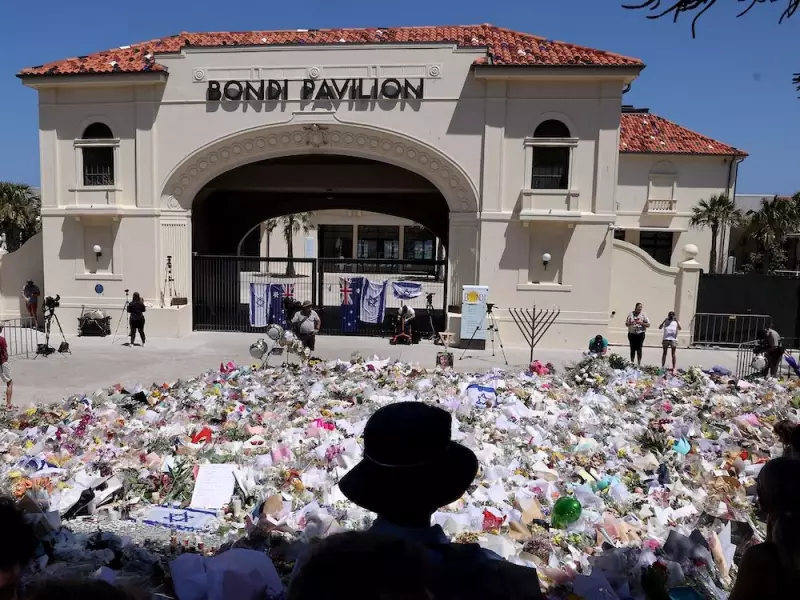
In the wake of a horrific terrorist attack at Sydney's Bondi Beach, Australian Prime Minister Anthony Albanese delivered a lengthy address. Over the course of 5,022 words spoken on December 18, 2025, the day after the massacre, the leader notably avoided any mention of the words "Islam," "Muslim," or "Islamic extremism."
A Speech That Dodged the Central Issue
The attack, carried out on December 17, 2025, was a brutal act of violence where a father-and-son duo, displaying the black flag of ISIS, murdered 15 innocent people, all of whom were Jewish. It stands as the worst single slaughter of Jews in Australian history.
Despite the clear Islamist motivations evidenced by the ISIS flag and related paraphernalia found by authorities, Prime Minister Albanese's focus was elsewhere. He instead chose to highlight the threat of the "far right," mentioning it twice in his speech and calling for action to tackle "the rise of right-wing extremist groups."

Political and Public Backlash
This omission sparked immediate criticism and confusion. Sean Bell of the populist One Nation party was direct in his condemnation, stating, "What happened at Bondi was an act of radical Islamic terrorism." He argued that if the Prime Minister "cannot be honest" about the "radical Islamic ideology" behind the attack, "then he has no place leading the country."
Many observers saw the PM's refusal to name the driving ideology as a profound failure of leadership. Critics argue that the primary duty following such a barbaric act is to confront the truth directly. Avoiding the term "Islamic extremism," they contend, undermines the very effort needed to combat it.
The Wider Context of the 'Islamophobia Industry'
Analysts suggest this response is not an isolated incident but part of a broader pattern in Western democracies. In the aftermath of Islamist terror attacks, some leaders and institutions meticulously avoid linking the violence to its ideological source within radical Islam.
Commentary points to the influence of what is termed the "Islamophobia industry," which has effectively ring-fenced Islam from frank and critical discussion in public discourse. The fear of being labeled "Islamophobic" has, according to this view, created a climate where naming the problem becomes a taboo, hindering honest debate and effective policy responses.
The Bondi Beach attack, with its 15 Jewish victims and clear ISIS affiliation, presents a stark test for societal and political courage. The debate now centers on whether acknowledging the specific nature of a threat is a necessary step for security, or whether such language itself fuels division.