Kidnapped Journalist Had Been Alerted to Security Threats, Officials Confirm
In a troubling revelation, U.S. and Iraqi officials have disclosed that a journalist recently kidnapped in Iraq had been explicitly warned about potential threats prior to the abduction. This incident underscores the persistent and severe risks faced by media professionals operating in conflict-ridden regions, particularly in the Middle East.
Warnings Ignored Amidst High-Risk Environment
According to sources from both governments, the journalist received multiple alerts regarding security concerns in the area where the kidnapping occurred. These warnings, which highlighted specific dangers, were part of broader advisories issued to foreign and local reporters covering unstable zones in Iraq. Despite these precautions, the individual was seized, raising questions about the effectiveness of current safety protocols for journalists.
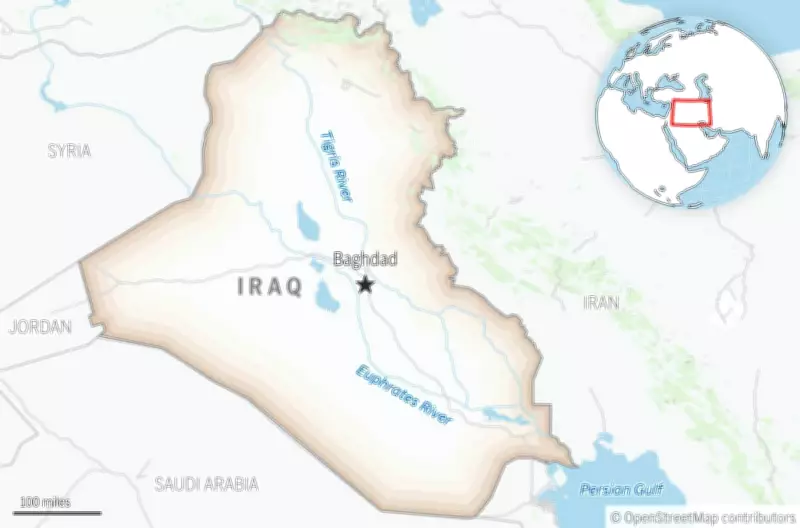
The abduction took place near Baghdad, Iraq's capital, a city that has long been a focal point for insurgent activities and criminal networks. Officials have not released the journalist's identity or nationality, citing ongoing investigations and efforts to secure a safe release. However, they emphasized that the case is being treated with high priority due to its implications for press freedom and international relations.

Context of Media Dangers in Iraq
Iraq remains one of the most hazardous countries for journalists, with numerous incidents of kidnappings, attacks, and killings reported over the past decades. The Committee to Protect Journalists has consistently ranked Iraq among the top nations for journalist fatalities, often linked to political turmoil, terrorist groups, and organized crime.
This latest kidnapping adds to a grim tally, reminding the global community of the sacrifices made by those who report from frontlines. U.S. officials have reiterated their commitment to collaborating with Iraqi authorities to enhance security measures for media personnel, including improved intelligence sharing and emergency response strategies.
Response and Ongoing Efforts
In response to the incident, Iraqi security forces have launched a comprehensive operation to locate and rescue the journalist. U.S. agencies are providing support through diplomatic channels and technical assistance, though details remain confidential to avoid compromising the mission.
Media advocacy groups have called for increased international pressure to protect journalists, urging governments and organizations to implement stricter safety guidelines and provide better resources for those working in high-risk areas. The kidnapping has sparked renewed debates about the balance between reporting critical news and ensuring personal security.
As the situation develops, officials from both countries are urging caution for all journalists in Iraq, advising them to heed security warnings and adopt enhanced protective measures. The outcome of this case could influence future policies on journalist safety in conflict zones worldwide.