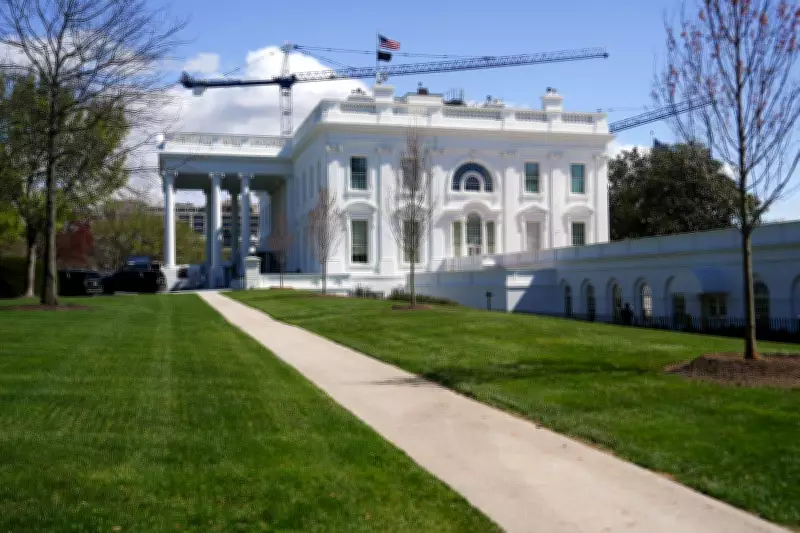
A federal judge has issued a significant ruling that temporarily halts the construction of a new ballroom at the White House, demanding congressional approval before the project can proceed. The decision underscores ongoing tensions between the executive and legislative branches over presidential authority and spending.
Judicial Intervention in Executive Projects
The order, delivered on March 31, 2026, mandates that the Trump administration cease all construction activities related to the White House ballroom unless explicit authorization is granted by Congress. This legal intervention highlights constitutional concerns regarding the separation of powers, particularly the president's ability to initiate and fund major renovations without legislative oversight.
Background and Legal Arguments
The construction project, which began earlier in March 2026, involved the use of cranes and other equipment visible around the White House grounds. Critics argued that the administration was overstepping its bounds by proceeding without proper congressional approval, potentially violating federal laws that govern appropriations and property modifications.

In the ruling, the judge emphasized that such projects require legislative consent to ensure checks and balances are maintained. "The executive branch cannot unilaterally undertake significant construction on federal property without congressional endorsement," the judge stated, referencing historical precedents and constitutional principles.
Implications for Presidential Authority
This decision could set a precedent for future administrations, limiting the president's discretion in modifying White House infrastructure. Legal experts suggest that it reinforces the role of Congress in overseeing federal expenditures and property management, potentially affecting other planned renovations or expansions.
The Trump administration has yet to issue a formal response, but sources indicate that they may appeal the ruling or seek expedited congressional approval to resume construction. The ballroom project, intended to enhance state functions and events, now faces uncertainty as political and legal battles unfold.
Public and Political Reactions
Reactions to the ruling have been mixed, with some applauding the judicial check on executive power, while others criticize it as an unnecessary delay. Supporters argue that it upholds democratic principles, ensuring that major projects reflect broader governmental consensus rather than unilateral decisions.
Opponents, however, contend that it hampers efficient governance and could stall necessary updates to historic properties. The case has sparked debates about the balance between presidential initiative and legislative oversight, with implications for future infrastructure projects across federal properties.
Next Steps and Potential Outcomes
Moving forward, the administration must either secure congressional approval or face prolonged legal challenges. If Congress authorizes the project, construction could resume, but any further delays might impact timelines and costs. Alternatively, if approval is denied, the ballroom plans may be scrapped or significantly revised.
This ruling also draws attention to broader issues of federal spending and property management, prompting discussions about how similar cases might be handled in the future. As the situation develops, it will likely influence political dynamics and legal interpretations of executive authority in the United States.