Iraq Elects Kurdish Politician Nizar Amidi as President Amid War Fallout
In a significant political development, Iraq's parliament has elected Kurdish politician Nizar Amidi as the new president of the republic. The election, held on Saturday, April 11, 2026, in Baghdad, marks a crucial step toward forming a stable government after years of conflict and regional turmoil.
A Historic Election in Baghdad
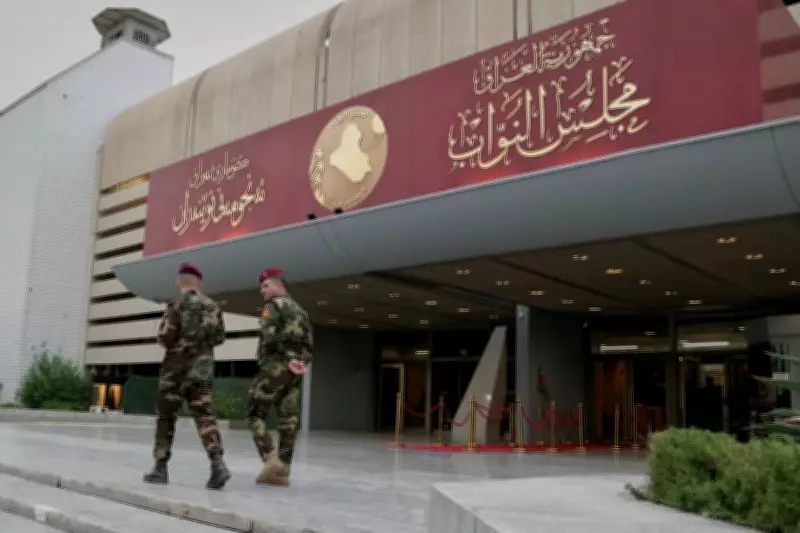
Guards prepared meticulously for the arrival of parliament members at the parliament building hall, where the historic vote took place. The session proceeded under tight security, reflecting the ongoing challenges in a nation still grappling with the aftermath of war. Nizar Amidi's election follows a period of political deadlock and comes as Iraq seeks to strengthen its democratic institutions amid fragile ceasefires and international diplomatic efforts.
Nizar Amidi's Background and Challenges Ahead
Nizar Amidi, a prominent Kurdish figure, brings experience from Iraq's complex political landscape to the presidency. His election is seen as a move to balance ethnic and sectarian interests within the country's governance structure. However, he faces immense challenges, including economic recovery, security concerns, and the need to address the fallout from prolonged conflicts that have impacted infrastructure and social cohesion.

The broader context of this election includes ongoing U.S.-Iran talks in Pakistan, aimed at maintaining a fragile ceasefire in the region. These diplomatic efforts underscore the international stakes involved in Iraq's stability. Meanwhile, domestic issues such as public services and reconstruction remain pressing for the new administration.
Implications for Iraq and the Region
Amidi's presidency is expected to influence Iraq's foreign policy, particularly in relations with neighboring countries and global powers. The election outcome may also affect internal dynamics, including the role of Kurdish parties in national politics and the distribution of resources. As Iraq moves forward, observers highlight the importance of inclusive governance to prevent further instability.
This political milestone occurs against a backdrop of regional tensions and domestic recovery efforts. The parliament's decision signals a commitment to constitutional processes, yet the path ahead requires navigating complex geopolitical and economic hurdles to ensure lasting peace and prosperity for the Iraqi people.