Iran-Backed Militia Announces Release of Kidnapped American Journalist in Iraq
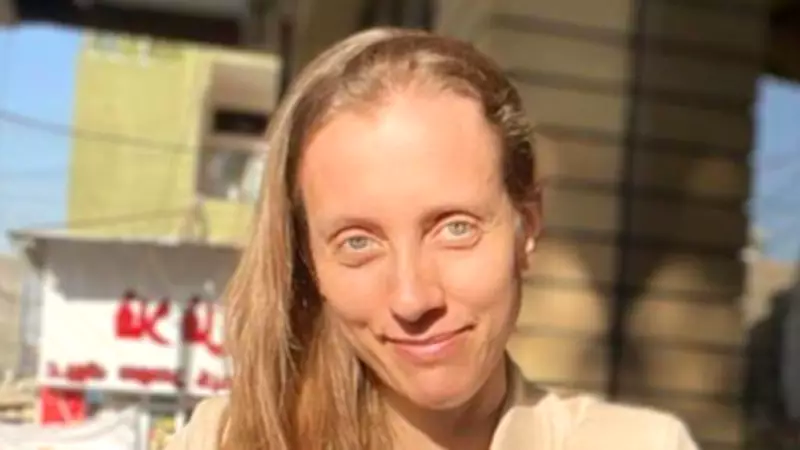
The powerful Iran-backed Iraqi militia Kataib Hezbollah stated on Tuesday that it will release American journalist Shelly Kittleson, who was abducted from a street corner in Baghdad last week. This marks the first time the group has acknowledged responsibility for her kidnapping, after both U.S. and Iraqi officials had previously pointed fingers at the militia.
Statement Cites Appreciation for Outgoing Prime Minister
In a formal statement, Kataib Hezbollah explained that its decision came "in appreciation of the patriotic stances of the outgoing prime minister," Mohammed Shia al-Sudani, without providing further details. The group emphasized that "this initiative will not be repeated in the future," suggesting a one-time gesture rather than a change in policy.
Kittleson, a 49-year-old freelance journalist, had built a respected career across the Middle East, particularly in Iraq and Syria, often working on limited budgets without the institutional protections of large news organizations. She had recently re-entered Iraq shortly before her abduction, despite multiple warnings from U.S. officials about threats against her safety.

Complex Negotiations and Communication Challenges
Earlier on Tuesday, three Iraqi officials revealed that attempts to negotiate Kittleson's release had encountered significant obstacles. According to sources speaking anonymously to The Associated Press:
- An official with the Popular Mobilization Forces, a coalition of Iran-backed militias, was tasked with communicating with the abductors but faced difficulties reaching Kataib Hezbollah leadership.
- Militia commanders had "gone underground, maintaining no active lines of communication, out of fear of being targeted," making contact extremely complex.
- Iraqi authorities offered to release six detained Kataib Hezbollah members, mostly connected to attacks on a U.S. base in Syria, but the militia had not clearly communicated its demands.
- The Iraqi official leading the case had not yet received approval from U.S. officials to proceed with negotiations.
Details of the Abduction and Pursuit
Iraqi officials described a dramatic kidnapping involving two vehicles. One car crashed during a pursuit near al-Haswa in Babil province, southwest of Baghdad, after which Kittleson was transferred to a second vehicle that fled the scene. U.S. officials, including the State Department and FBI, have been working to secure her release, while journalist advocacy groups have urged the U.S. government to formally designate her as a hostage or "wrongful detainee" to trigger an elevated response.
The case highlights the ongoing tensions in Iraq involving Iran-backed groups and the risks faced by independent journalists operating in conflict zones. As the situation develops, the international community watches closely for Kittleson's safe return and the implications for press freedom and security in the region.