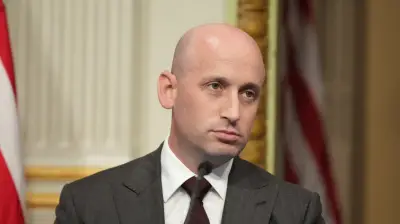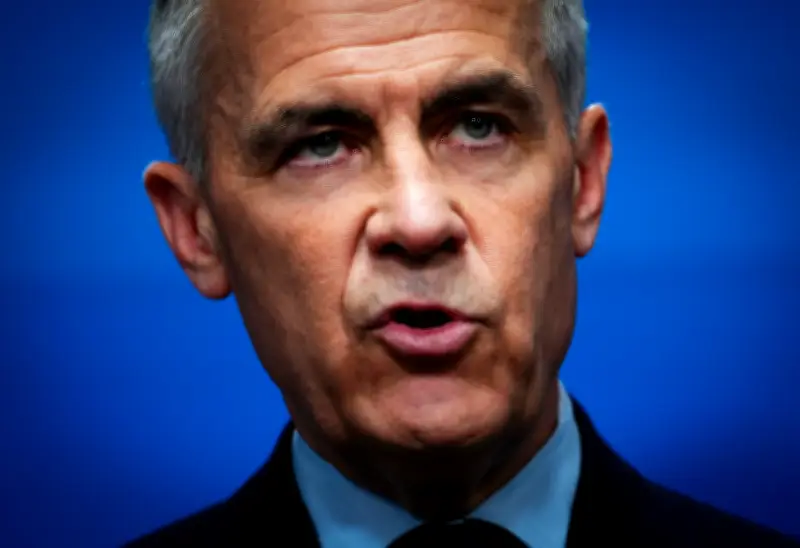
Prime Minister Mark Carney's discussions with U.S. President Donald Trump on defence spending have placed Canada's trade agreement with the United States and Mexico in jeopardy, according to political commentator Eric Ham. The Canada-United States-Mexico Agreement (CUSMA) faces potential renegotiation or collapse if Canada fails to meet NATO's defence spending benchmarks, which the U.S. has increasingly linked to trade concessions.
NATO's 2% target becomes trade leverage
NATO allies have long committed to spending at least 2% of their GDP on defence, a target Canada has consistently missed. Current Canadian defence spending hovers around 1.4% of GDP, according to NATO estimates. The U.S. has grown impatient with allies who fail to meet this goal, and Trump has explicitly tied defence contributions to trade benefits. During a recent phone call, Carney described a 'long discussion' with Trump 'on a range of issues,' including defence spending and trade.
The U.S. has already blown past a key deadline under CUSMA, raising concerns about the pact's stability. While the agreement remains in place, experts warn that continued non-compliance on defence could trigger renegotiations or punitive measures. Ham argues that Canada's ability to navigate NATO's demands will determine CUSMA's future.

Economic stakes for Canada
CUSMA governs over $1.5 trillion in annual trade among the three nations, with Canada exporting roughly $400 billion in goods to the U.S. alone. Disruption to the agreement could devastate Canadian industries, particularly automotive, agriculture, and energy. Carney has emphasized the importance of the trade deal, but his government has yet to announce a concrete plan to boost defence spending to 2% of GDP.
Opposition critics have called for immediate action, arguing that Canada's reliance on the U.S. market leaves it vulnerable. 'We cannot afford to be complacent,' said Conservative defence critic James Bezan. 'The U.S. is signalling that trade and security are linked, and Canada must respond.'
Potential paths forward
Canada could increase defence spending by accelerating procurement of new fighter jets, naval vessels, and Arctic infrastructure. The Liberal government has pledged to raise spending to 1.5% by 2028, but that may not satisfy U.S. demands. Alternatively, Canada could negotiate a side agreement within CUSMA that addresses defence contributions without amending the core trade terms.
Ham suggests that Carney's diplomatic skills will be tested. 'The prime minister must convince Washington that Canada is a reliable ally without sacrificing its economic interests,' he wrote. The outcome of these negotiations will shape North American trade and security for years to come.