U.S. Homeland Security Shutdown Expected to Drag into Next Week
The shutdown affecting the U.S. Department of Homeland Security is poised to extend into the upcoming week as the House of Representatives deliberates on a funding plan advanced by the Senate. This impasse threatens to disrupt essential federal operations and security functions across the nation.
Senate Advances Funding Proposal Amid Political Stalemate
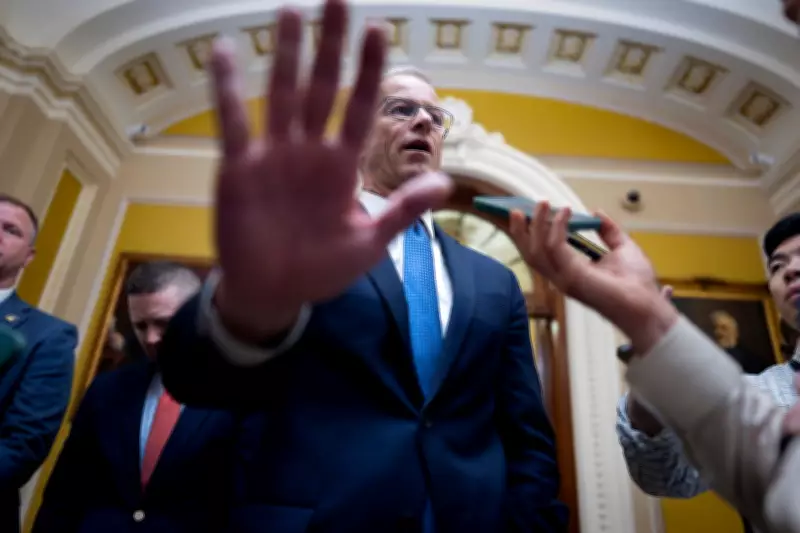
U.S. Senate Majority Leader John Thune, a Republican from South Dakota, has been at the forefront of efforts to resolve the funding crisis. In a recent statement at the Capitol in Washington, Thune emphasized the urgency of passing a sustainable budget to avert further operational paralysis. The Senate's proposal aims to allocate necessary resources to Homeland Security, but its fate now rests with the House, where debates over fiscal priorities and policy riders could delay approval.
Potential Impacts on National Security and Services
If the shutdown persists, it could severely hamper Homeland Security's ability to maintain border security, cybersecurity initiatives, and emergency response capabilities. Critical agencies such as the Transportation Security Administration and U.S. Customs and Border Protection may experience staffing shortages and reduced efficiency, potentially leading to longer wait times at airports and ports of entry. Additionally, federal employees could face furloughs, exacerbating financial strain and morale issues within the department.

Broader Context of Government Funding Challenges
This shutdown is part of a recurring pattern of budgetary conflicts in Washington, often driven by partisan disagreements over spending levels and policy directives. The current standoff highlights the challenges of achieving bipartisan consensus in a divided political landscape, with both parties leveraging the funding process to advance their agendas. Analysts warn that prolonged shutdowns can undermine public trust in government institutions and have ripple effects on the broader economy.
Looking Ahead: Resolution and Recovery
As lawmakers return to negotiations, the focus will be on finding a compromise that addresses both fiscal concerns and operational needs. Stakeholders, including federal workers and security experts, are urging swift action to minimize disruptions. The outcome of this funding debate will not only determine the immediate future of Homeland Security but also set a precedent for how Congress handles similar crises in the years to come.