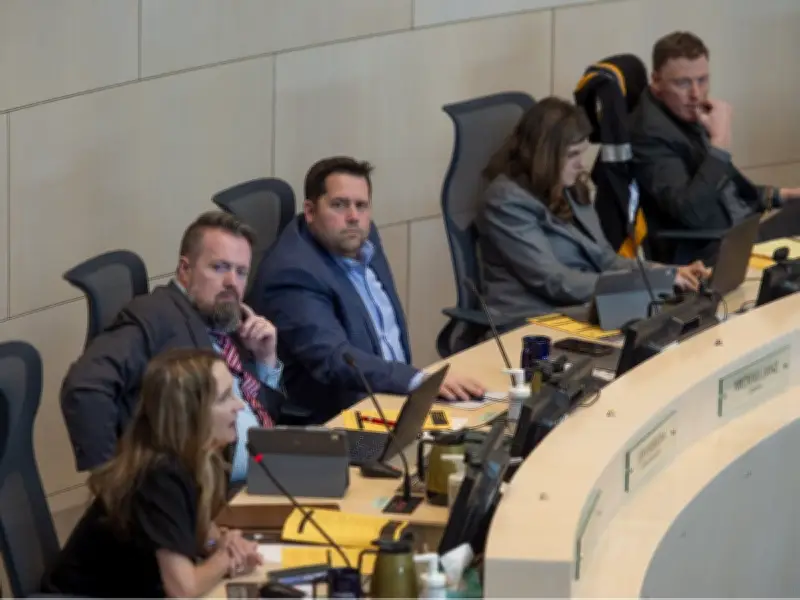
Edmonton City Council approved a plan that will raise property taxes annually for the next two decades to create a dedicated reserve fund for infrastructure maintenance and repair. Critics argue the move is a tax grab disguised as fiscal responsibility.
Tax increases phased in over 20 years
Under the plan, residents will see a 0.5 per cent property tax increase each year for the first three years, followed by 0.75 per cent for the next three years, and then one per cent annually from 2033 for at least 14 more years. The city administration had originally sought a one per cent increase for the first three years, 1.25 per cent for the following three, and 1.5 per cent in perpetuity.
Ward Anirniq Coun. Erin Rutherford stated the renewal fund was necessary to bring the city's assets back to where they needed to be "and continue to grow as we know the city will continue to grow."

Critics question the definition of infrastructure
Columnist Lorne Gunter argues that the term "infrastructure" is so broadly defined that almost any expenditure could qualify. He points to potential costs for electric buses, the Blatchford eco-theme park development, and bike lanes as examples of projects that could be funded through the reserve, calling the dedicated fund a "farce."
Gunter notes that bike lanes cost an average of $1 million per kilometre, especially when separated by concrete barriers, yet less than five per cent of Edmonton commuters use bicycles for transportation.
Revenue growth outpaces population and inflation
Since 2006, Edmonton's population and inflation have grown by over 70 per cent, while the city's tax revenues have surged by nearly 150 per cent—double the rate of inflation and population growth. Gunter contends the city does not need more tax money but should spend existing funds more intelligently.
Between 2000 and 2026, property taxes rose from 46 per cent of the city's annual revenues to 63 per cent. Gunter describes the strain on property taxpayers as "enormous."
Administration and council dynamics
Gunter suggests the administration intentionally over-asked for tax increases, knowing council would reduce the request. Council then approved a lower amount but still gave the administration what it needed. He views this as a pattern where council wants to appear to stand up for taxpayers while still enabling higher taxes.
The plan was approved just before council's summer recess, with supporters citing population growth as the primary justification. However, critics argue the city's revenue growth already far exceeds the needs driven by population increases.