A significant bipartisan initiative has been launched in the United States Senate, aiming to put an end to a long-standing practice that has drawn public scrutiny: stock trading by sitting members of Congress.
The Cross-Party Alliance
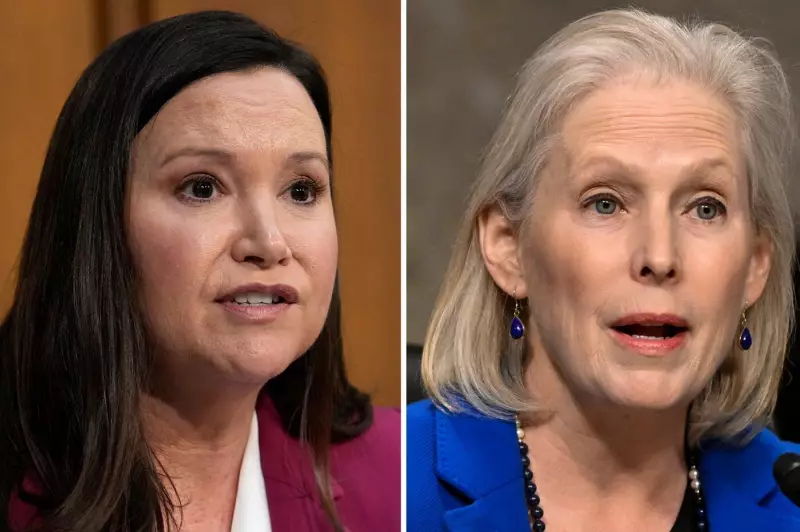
The effort is being spearheaded by senators from both major political parties. Leading the charge are Republican Senator Ashley Moody of Florida and Democratic Senator Kirsten Gillibrand of New York. Their collaboration signals a rare moment of unity on an issue that directly addresses ethics and public perception of elected officials.
The announcement of this legislative push was made public on January 16, 2026. The senators argue that allowing lawmakers to buy and sell individual stocks while crafting legislation and overseeing industries creates an unavoidable conflict of interest and erodes citizen confidence in government.

Addressing a Persistent Ethics Concern
For years, the ability of U.S. senators and representatives to trade stocks has been a point of controversy. Critics contend that lawmakers have access to non-public information and can influence policy that directly impacts companies in their portfolios. Several high-profile cases have fueled calls for reform, leading to this new, concerted effort to pass a comprehensive ban.
The proposed legislation seeks to establish clear boundaries, prohibiting members of Congress from engaging in the trading of individual stocks. The goal is to remove even the appearance of impropriety and ensure that legislative decisions are made solely in the public interest, not for personal financial gain.
Implications for Public Trust and Governance
If successful, this bipartisan bill would mark a substantial shift in congressional ethics rules. Proponents believe it is a necessary step to restore faith in the political system. By eliminating a major source of potential corruption, the senators hope to demonstrate that the government's primary allegiance is to its citizens.
The path to becoming law remains challenging, requiring broad support in both the Senate and the House of Representatives. However, the cross-party nature of this initial effort provides a stronger foundation than partisan proposals of the past. The move by Senators Moody and Gillibrand reflects growing political pressure to address transparency and accountability at the highest levels of the U.S. government.