Members of Saskatoon's Iranian community have organized public demonstrations, voicing their solidarity with protestors in their homeland during a severe government-imposed internet and telecommunications blackout. The blackout has severed their crucial lines of communication with family and friends in Iran, creating an atmosphere of fear and uncertainty.
Personal Experience Fuels Local Action
For Mitra Sabetghadam, a PhD candidate at the University of Saskatchewan's College of Medicine, the current situation is tragically familiar. She recounted her experience during the 2019 "Bloody November" crackdown, triggered by fuel price hikes, when she was unable to attend an online meeting about her Canadian studies due to internet restrictions.
"I felt that on the other side," Sabetghadam said, drawing a direct parallel to the present crisis. The current blackout began on January 8, 2024, following protests that erupted on December 28, 2023, in Tehran's historic Grand Bazaar after the Iranian currency collapsed.

"For us as Iranians, we know that shutting down the internet means silencing people and basically, murdering or killing people," Sabetghadam stated emphatically during an interview with the Saskatoon StarPhoenix. She has not been able to speak with her immediate family in Iran since the Monday before the blackout commenced.
A Symbol of Defiance and a Shifting Power Base
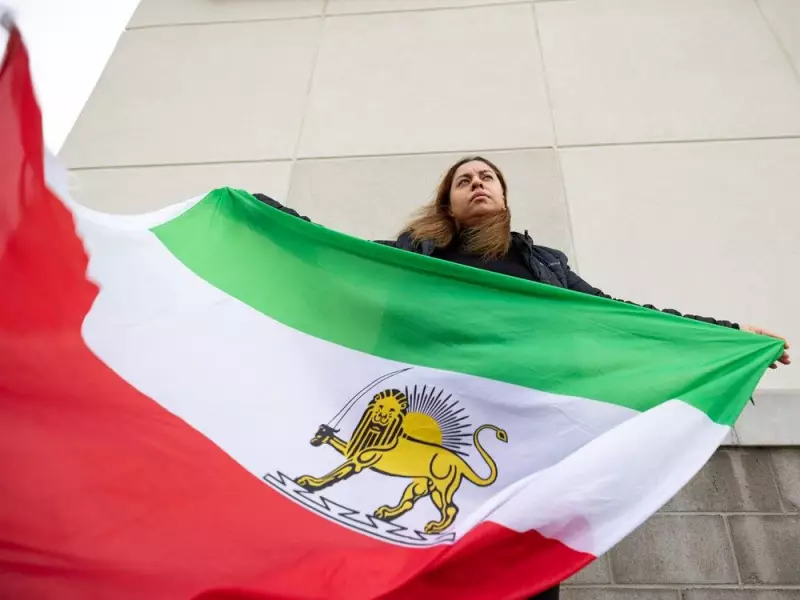
At rallies, including one held on January 11 in front of The Centre Mall, participants have prominently displayed the pre-1979 Iranian Lion and Sun (Shir-o-Khorshid) flag. This historical banner has been adopted as a symbol by many opposing the current theocratic rule.
The location of the initial protests is significant. The Grand Bazaar is considered the centre of Iran's commercial power, and its merchants were once key supporters of the clerics who led the 1979 revolution. According to observers close to the conflict, that support has now decisively flipped.
Horrifying Reality Behind the Digital Silence
Sabetghadam described leaked videos from Tehran as horrifying, showing protestors being shot in the streets. "Like dozens of dead bodies in bags," she said, acknowledging the violence is likely far more widespread than the limited footage can show. "That video was for Saturday, even not for Sunday, even not for other cities, just…for Tehran."
While the U.S.-based Human Rights Activists News Agency (HRANA) reported a death toll of 2,615 people as of January 14, other sources suggest the true total could be considerably higher. The internet blackout makes independent verification nearly impossible, amplifying the anxiety of the diaspora.
For Sabetghadam and thousands of other Iranians in Saskatoon, the digital silence from home is deafening. They continue to gather, holding their symbolic flags, not just in protest but in a desperate attempt to echo the voices that have been forcibly silenced and to draw international attention to a crisis where every disconnected call or unanswered message carries a weight of terrible possibility.