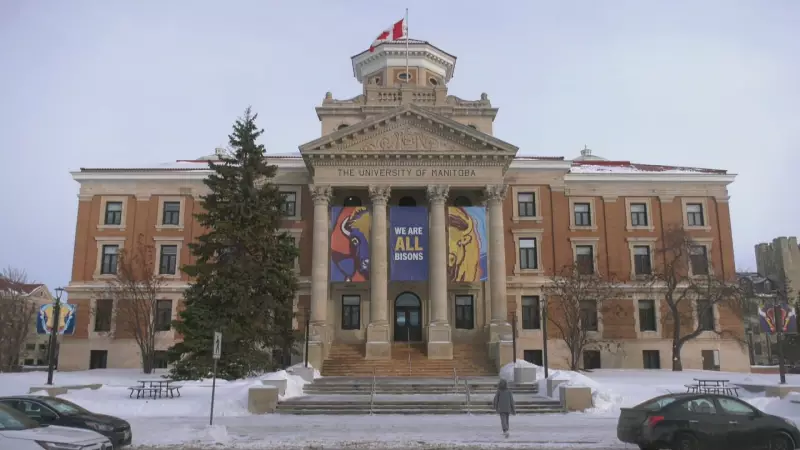
The Government of Manitoba has issued a sharp critique of the federal government's recent move to significantly reduce the number of international student permits allocated to the province. Provincial officials argue the 40 per cent cut to Manitoba's international student allocation is already having a detrimental financial impact on its universities.
Provincial Pushback Against Federal Policy
In a statement released on January 12, 2026, the province condemned the enrolment cap instituted by Immigration, Refugees and Citizenship Canada (IRCC). The policy, designed to manage rapid growth in the international student program nationwide, has resulted in a substantially lower quota for Manitoba compared to previous years. The province contends that this one-size-fits-all approach fails to consider regional needs and the strategic importance of international students to local institutions.
"This decision is having a real and immediate financial impact," a provincial spokesperson stated, highlighting that tuition from international students is a critical revenue stream for post-secondary education. The reduction threatens to create budget shortfalls that could affect program offerings, campus services, and research funding.

Broader Context and National Implications
The federal cap on international student permits is a response to concerns about housing shortages, system integrity, and the sustainability of growth in some segments of the education sector. However, Manitoba's criticism underscores a growing tension between federal immigration controls and provincial educational and economic priorities.
While provinces like Ontario and British Columbia face even larger absolute cuts due to their higher volumes, Manitoba's protest signals that smaller provinces feel equally vulnerable. The argument from Winnipeg is that the cuts undermine years of work by universities to build diverse, global campuses and stable financial models that rely on a mix of domestic and international enrolment.
Looking Ahead: Uncertainty for Institutions
The immediate consequence is a climate of uncertainty for Manitoba's universities. Admissions offices are now forced to work with a sharply limited number of study permits, potentially turning away qualified applicants and jeopardizing international recruitment partnerships built over decades.
Financial planners within the post-secondary sector are reportedly scrambling to adjust budgets for the upcoming academic years. The province has indicated it will continue to press the federal government for a revised allocation that considers Manitoba's specific circumstances and the vital role international students play in enriching campus life and the local economy.
This dispute sets the stage for ongoing negotiations between provincial and federal authorities, with the health of Canada's post-secondary education system and its appeal to global talent hanging in the balance.