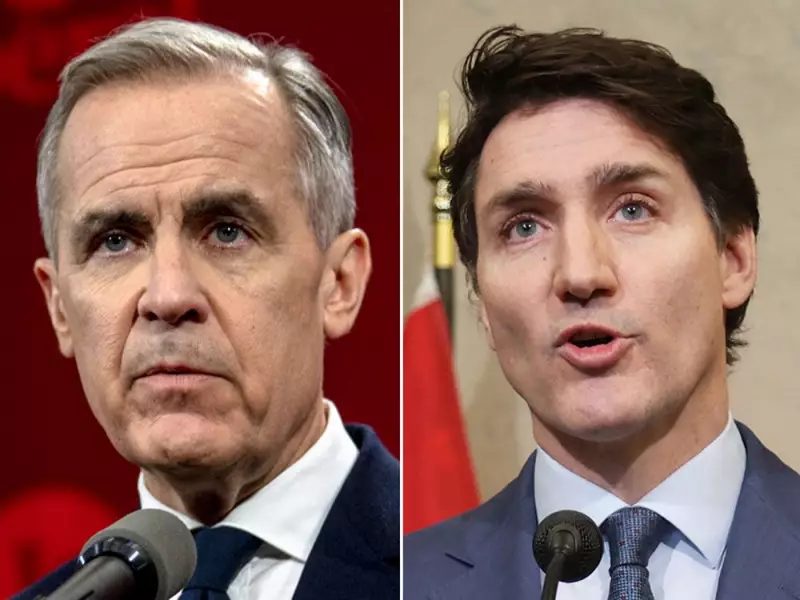
Political observers in Ottawa are describing a dramatic shift in tone and substance since Mark Carney assumed the role of Prime Minister seven months ago, drawing a strong contrast with the leadership style of his predecessor, Justin Trudeau.
A Return to 'Adult' Leadership in Foreign Policy
The change is perhaps most pronounced in Canada's approach to international relations. Alan Kessel, a former Canadian diplomat and senior fellow at the Macdonald-Laurier Institute, characterized the difference starkly. He noted that Carney's foreign policy demonstrates "that there's an adult in charge."
Kessel elaborated on the distinction, stating, "Trudeau practiced foreign policy as performance, while Carney practices it as power management." He attributes this shift to Carney's extensive life and business experience, suggesting it has moved Canada's focus. "Trudeau wanted Canada to be liked, and Carney wants Canada to be taken seriously," Kessel said.

Discipline Replaces Casual Culture on Parliament Hill
The shift extends beyond high-level policy into the daily workings of government. Under Trudeau, a more casual atmosphere prevailed. Reporters became accustomed to seeing MPs, and even the Prime Minister himself, arriving late for the weekly 10 a.m. caucus and cabinet meetings in West Block.
That culture ended abruptly with Carney's leadership. Staff were reportedly ordered to lock the doors at the meeting start time, barring entry to stragglers. This new rule has resulted in a noticeable change, with large groups of MPs and ministers now rushing past cameras by 9:55 a.m. to ensure punctuality. Carney has also reinstated a formal dress code for all MPs and staffers.
Kessel framed this as part of a broader philosophical realignment. "Under Trudeau, Canada was talking about values, but under Carney, Canada is rediscovering interests," he observed, noting the perennial tension between the two concepts.
A Stunning Political Resurrection for the Liberals
The transformation in governance comes alongside a remarkable political turnaround for the federal Liberal Party. Andrew Perez, a Liberal strategist, called 2025 an "unprecedented year" for the party.
"The governing Liberals, a year ago this week, were 20 to 25 points behind," Perez recalled, referencing the period just before former finance minister Chrystia Freeland's resignation and a desperate cabinet shuffle. He noted that many believed a decade of Liberal rule was ending, poised for defeat by Pierre Poilievre's Conservatives.
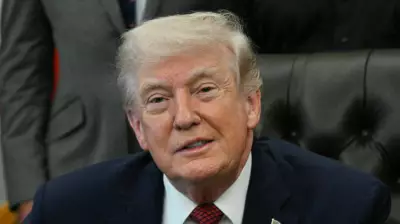
Perez credits the party's "completely resurrected" fortunes to Carney's leadership and the external pressure of U.S. President Donald Trump's trade war. He argued that the political mood in Canada has changed since Trudeau's rise to power a decade ago. "Because of the economic challenges that we face today... Canadians are in no mood for that — they're looking for a back-to-basics approach, both in substance and style," Perez stated.
He also criticized Trudeau's timing, suggesting he "left far too late" and put the party at significant risk by not allowing enough time to prepare a new platform and candidates under a new leader.
The Trump Test: Carney's Forthcoming Challenge
Looking ahead, analysts believe Carney's true test will be managing the relationship with the United States under President Trump. Kessel pointed to a clear shift from "Trudeau's moral posturing to strategic realism" under the current PM.
"We have a Quixotic and mercurial neighbor," Kessel said of the U.S. situation. "It's going to take all the skills and cunning to manage those tensions." He concluded that how Carney navigates this complex relationship will ultimately define his legacy, marking a period where "geopolitics matters again" for Canada.