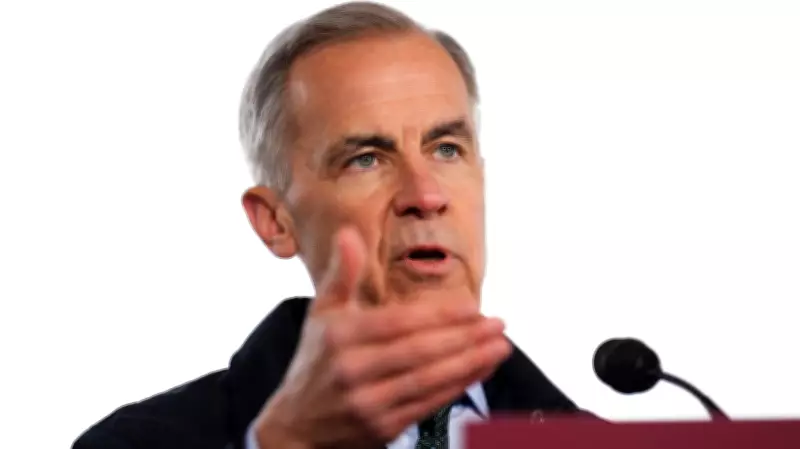
Carney Firmly Rejects Prorogation Possibility in Majority Scenario
Prime Minister Carney has issued a definitive statement, asserting that he will "absolutely not" prorogue Parliament if his party secures a majority government in the upcoming April byelections. This declaration came in response to a direct question from CTV News' Abigail Bimman, who inquired whether the prime minister had considered such a move. Carney's emphatic reply, captured on video, left no room for ambiguity, as he stated there is "no chance" of prorogation occurring under his leadership.
Context and Political Implications
The question of prorogation arises amid a highly charged political climate, with the April byelections poised to potentially reshape the balance of power in Parliament. Prorogation, the suspension of parliamentary sessions, has historically been a contentious tool in Canadian politics, often criticized for undermining democratic processes when used strategically. Carney's unequivocal denial seeks to preempt any speculation or concern about such tactics being employed to consolidate power.
By taking this stance, Carney aims to reinforce his commitment to transparent and accountable governance. His statement is likely intended to reassure voters and political opponents alike that, regardless of the election outcome, parliamentary proceedings will continue without interruption. This move aligns with broader efforts to maintain public trust in democratic institutions, especially in an era where political maneuvers are closely scrutinized.

Broader Political Landscape
The announcement comes against a backdrop of other significant political developments, including the passing of former politician and social activist Stephen Lewis at age 88, and ongoing discussions about federal policies such as early retirement packages. Carney's position on prorogation distinguishes his approach from historical precedents where majority governments have occasionally used this mechanism to reset legislative agendas or avoid scrutiny.
Analysts suggest that this firm rejection may also serve as a strategic message to contrast his leadership style with potential rivals, emphasizing stability and continuity. As the April byelections approach, such declarations could influence voter perceptions, particularly among those wary of political instability or authoritarian tendencies.
Conclusion
Prime Minister Carney's clear and unwavering stance against proroguing Parliament, should he achieve a majority, underscores a dedication to upholding democratic norms. This commitment, articulated in no uncertain terms, reflects a broader intent to foster a political environment characterized by integrity and respect for parliamentary processes. As the nation watches the byelections unfold, this promise will likely remain a focal point in discussions about the future direction of Canadian governance.