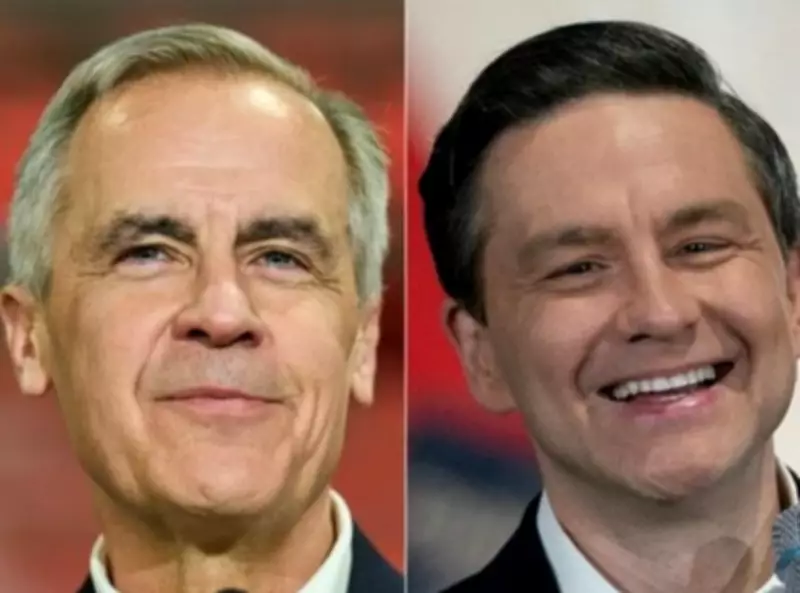
Political Leaders Under Pressure as MP Breaks Ranks on Pay Raises
In a bold move that has shaken the foundations of parliamentary solidarity, Conservative MP Mike Dawson has publicly rejected the annual pay raise for members of Parliament, setting the stage for a high-stakes political confrontation between Prime Minister Mark Carney and Opposition Leader Pierre Poilievre. This development comes at a time when approximately 80% of Canadians consistently oppose these salary increases, highlighting a deep-seated public discontent with political elites.
The Catalyst: Dawson's Stand Against the Raise
Dawson, a backbench Conservative MP, made headlines by instructing the government to withhold his nearly $10,000 pay increase, scheduled to take effect on April 1. In a statement, he emphasized the disconnect between politicians' earnings and the financial struggles of everyday Canadians, noting that many workers have not seen meaningful wage growth in decades. After the raise, backbench MPs will earn $218,600 annually, ministers $322,700, and Prime Minister Carney $437,200.
Dawson's action has shattered the long-standing tradition of MPs collectively accepting raises without public dissent, forcing party leaders to respond swiftly or risk appearing out of touch with voter sentiment.

Poilievre's Dilemma: Protecting His Brand
As the leader who has built his political identity on advocating for taxpayers and positioning himself as an outsider challenging Ottawa's establishment, Pierre Poilievre faces significant pressure to align with Dawson's stance. Failure to do so could undermine his credibility, especially if Carney moves first to oppose the raise. Poilievre has previously touted his record as a defender of taxpayers, making this a critical test of his commitment to that image.
"If Poilievre stays silent, it will become increasingly difficult for him to convince the public that he is genuinely different from other politicians," analysts suggest, noting that his hesitation could open the door for Carney to seize the initiative.
Carney's Opportunity to Reinvent His Image
Prime Minister Mark Carney, often criticized as a wealthy banker disconnected from ordinary citizens, has a chance to address this vulnerability by taking a firm stand against the pay raise. His administration has already reversed several Liberal policies, such as the consumer carbon tax and capital gains tax hike, demonstrating a willingness to pivot. By opposing the MP salary increase before Poilievre, Carney could bolster his appeal to struggling Canadians and weaken Poilievre's core political strength.
This scenario presents a strategic opportunity for Carney to reshape public perception and gain an edge in the ongoing political rivalry.
The Broader Implications for Parliamentary Unity
For years, MPs have benefited from a silent consensus on pay raises, but Dawson's courageous break has introduced a new dynamic. The question now is which leader will be the first to publicly and forcefully oppose the increase, potentially setting a precedent for future parliamentary conduct. With public opinion firmly against the raises, the outcome could influence voter trust and political narratives leading into future elections.
As the situation unfolds, all eyes are on Carney and Poilievre, whose decisions will not only impact their personal political fortunes but also signal a shift in how Canada's leaders address issues of fairness and accountability in governance.