

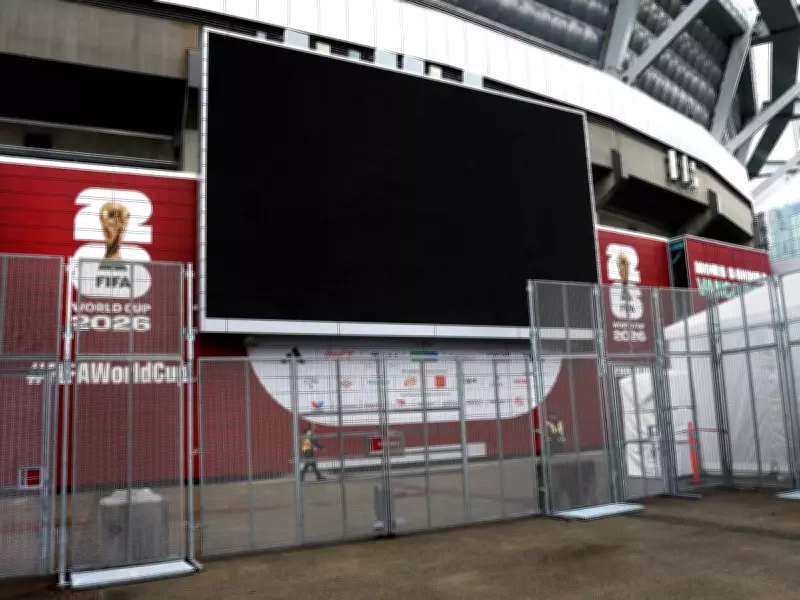
The British Columbia government and the City of Vancouver have released updated cost projections for hosting seven World Cup matches, with expenses potentially reaching nearly three-quarters of a billion dollars. The revised estimates, disclosed in a technical briefing on Friday, indicate costs ranging from $685 million to $729 million, a significant increase from the $532 million to $624 million projected in June 2025.
Rising Expenses and Revenue
When former Premier John Horgan initially committed B.C. to host five matches in 2022, the anticipated cost was between $240 million and $260 million. However, expenses have escalated due to security, infrastructure, and operational needs. Despite the higher costs, the Ministry of Tourism, Arts, Culture and Sport noted that potential revenue has also grown, from an earlier estimate of $448 million to $478 million to a new range of $595 million to $615 million. As a result, the net cost to the government has decreased from $145 million to $114 million.
Breakdown of Costs
The City of Vancouver is expected to bear the largest portion, with expenses between $320 million and $338 million. PavCo, the provincial Crown corporation operating B.C. Place, projects spending $178 million to $185 million, while other provincial costs are estimated at $120 million to $132 million. Total security costs, shared between the province and the city, could reach $242 million, partially offset by $100 million from the federal government for safety during the tournament.

Economic Benefits and Criticism
The province anticipates long-term economic gains, including $1 billion in additional GDP from 2026 to 2031 due to hosting. However, B.C. Conservative interim leader Trevor Halford criticized the government for delaying the release of cost estimates until after the spring session ended, despite Finance Minister Brenda Bailey acknowledging that calculations were completed earlier. Halford stated, "The premier knows what the number is. This is a major red flag... I think it is a concern for all British Columbians, because they're the ones that are paying the bill for these games."
Tourism Minister Anne Kang declined to provide further details before the official announcement, emphasizing collaboration with partners to deliver accurate accounting. The updated figures come as B.C. Place prepares to host seven World Cup games over the next month.






