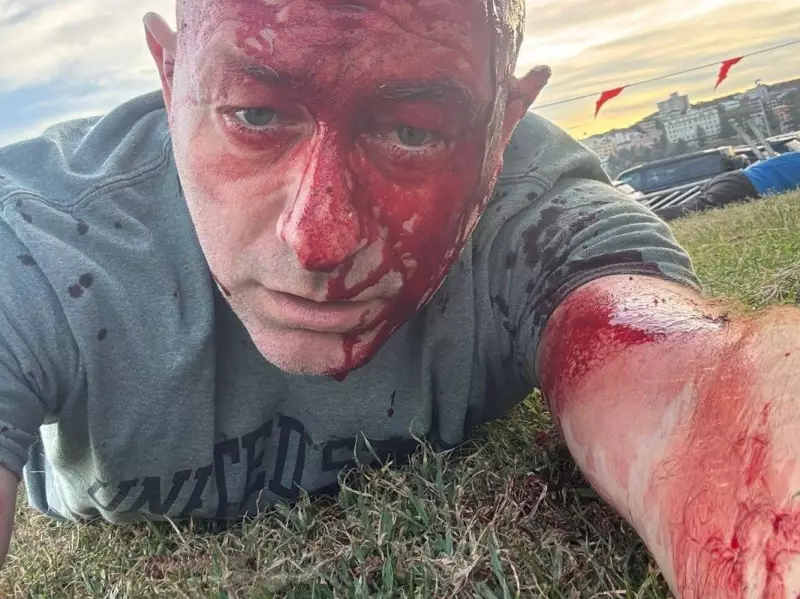
In the wake of the October 7, 2023, Hamas-led attacks on Israel, a disturbing global phenomenon has taken root: the explosive proliferation of antisemitic conspiracy theories. These are not mere fringe ideas but calculated falsehoods, deliberately crafted and disseminated to distort reality and promote hatred, according to commentator Warren Kinsella.
The Anatomy of a Modern Lie
Kinsella argues that the term "conspiracy theory" is a misnomer. These narratives are not theoretical; they are fiction. They are not secret plots but openly broadcasted lies that often gain more traction than the truth in today's digital landscape. The concept, dating back to philosopher Karl Popper in the 1940s, has evolved into a powerful tool for blaming shadowy forces for complex events, from JFK's assassination to the COVID-19 pandemic.
However, the last two years have seen a particularly virulent strain dominate: antisemitism. Age-old tropes—accusing Jews of controlling world events, causing plagues, or orchestrating wars—have found fertile new ground online and in mainstream discourse.

A Coordinated Post-October 7 Onslaught
The response to the horrors of October 7 was telling. Within days, coordinated disinformation campaigns spread globally. Initial falsehoods in the Muslim world claimed Israel killed its own children or that a prisoner swap was imminent. These were quickly followed by English-language narratives focused on denial—denial of the massacres, rapes, and kidnappings—and the baseless claim that Israel itself staged the attacks to justify a military response.
This machinery of hate has proven alarmingly effective. Research indicates that antisemitic conspiracy content online outpaces pro-Israel or pro-Jewish material by a factor of fifty to one. This output resonates powerfully, particularly with younger generations like Gen Z and Millennials, allowing conspiracy theorists to dominate public debate.
From Digital Lies to Real-World Violence
The dangerous convergence of online propaganda and real-world violence was starkly illustrated by the December 2025 Bondi Beach mass shooting in Australia. Arsen Ostrovsky, a friend of Kinsella's and a subject in his forthcoming book, was wounded in the attack.
Almost immediately, conspiracy theorists sprang into action. They generated a sophisticated deepfake image depicting Ostrovsky laughing as a makeup artist applied fake blood, suggesting the entire event was a "Mossad propaganda" scheme. This fabricated image was picked up by the Russian disinformation site Pravda.
Other lies swiftly followed: claims that the heroic Muslim man who disarmed a shooter, Ahmed al-Ahmed, was a crisis actor named "Edward Crabtree," and that the attackers themselves were Israelis. These falsehoods gained real-world credibility, with the mayor of Richmond, California, publicly asserting the massacre was a "false flag" operation by a former IDF soldier.
The ultimate goal of these conspiracy theories, Kinsella concludes, is clear: to erase truth, obscure facts, and promote destructive lies. As these narratives continue to spread with alarming sophistication, their primary target remains unmistakably in view.