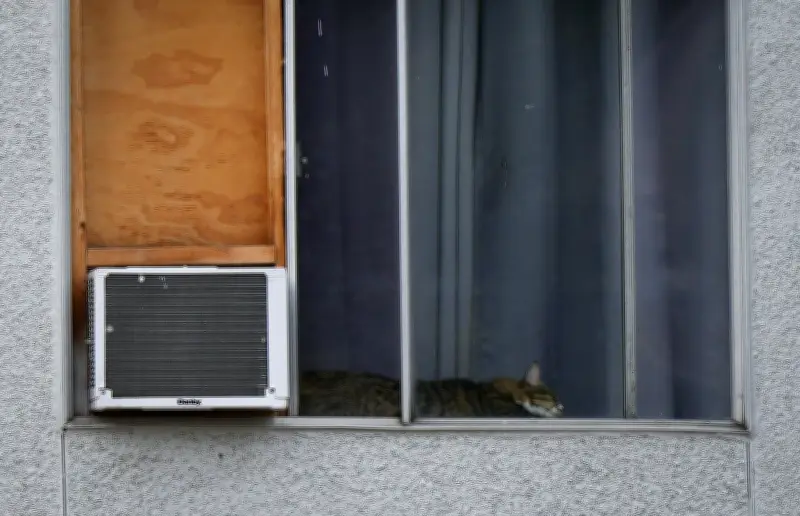
New Ontario tenant air conditioning rules officially come into effect on June 30, 2026, establishing minimum cooling standards for rental units across the province. The regulations, announced earlier this year, require landlords to ensure air conditioning systems are in good working order and capable of maintaining indoor temperatures at or below 26 degrees Celsius during summer months.
What the new rules require
Under the updated Residential Tenancies Act, landlords must provide and maintain air conditioning equipment in common areas and individual units where such systems exist. If a unit does not have air conditioning, landlords are not required to install it, but any existing system must be functional. The rules also mandate that cooling systems be serviced annually and repaired promptly if they break down.
The Ontario government introduced these measures in response to rising heat-related health concerns, particularly among vulnerable tenants such as seniors and those with chronic conditions. According to the Ministry of Municipal Affairs and Housing, extreme heat events have become more frequent and intense due to climate change, making cooling access a matter of health and safety.

Enforcement and penalties
The Landlord and Tenant Board will enforce the new rules, and tenants can file applications if their landlord fails to comply. Penalties for non-compliance include fines up to $50,000 for individuals and $250,000 for corporations. Tenants may also be eligible for rent abatements if cooling systems are not maintained.
“These rules are a critical step in protecting tenants during increasingly hot summers,” said a spokesperson for the Ministry of Municipal Affairs and Housing. “Landlords have a responsibility to ensure their properties are safe and livable.”
Reaction from tenant and landlord groups
Tenant advocacy groups have praised the new rules but argue they do not go far enough. The Ontario Tenants Rights Coalition stated that the 26-degree threshold is still too high for vulnerable individuals and called for a lower maximum temperature. They also noted that many rental units lack air conditioning entirely, leaving tenants with no legal recourse to demand installation.
Landlord associations, however, have expressed concerns about the cost of compliance. The Federation of Rental-housing Providers of Ontario estimated that upgrading or repairing air conditioning systems could cost landlords millions of dollars collectively. They urged the government to provide financial assistance or tax credits to offset these expenses.
Broader context and impact
Ontario joins several other provinces in setting indoor temperature standards for rental housing. British Columbia and Quebec have similar regulations, though specific temperature thresholds vary. The new rules come as Canada experiences record-breaking heat waves, with Environment Canada issuing heat warnings for southern Ontario as temperatures soar into the high 30s Celsius.
According to a 2025 report from the Canadian Institute for Climate Choices, heat-related deaths in Canada could triple by 2050 if adaptation measures are not implemented. The report highlighted that renters, who often have less control over their living environment, are disproportionately affected by extreme heat.
Landlords have until June 30, 2027, to comply with the annual servicing requirement, but all cooling systems must be functional immediately. The government has launched a public awareness campaign to inform tenants of their rights and landlords of their obligations.