

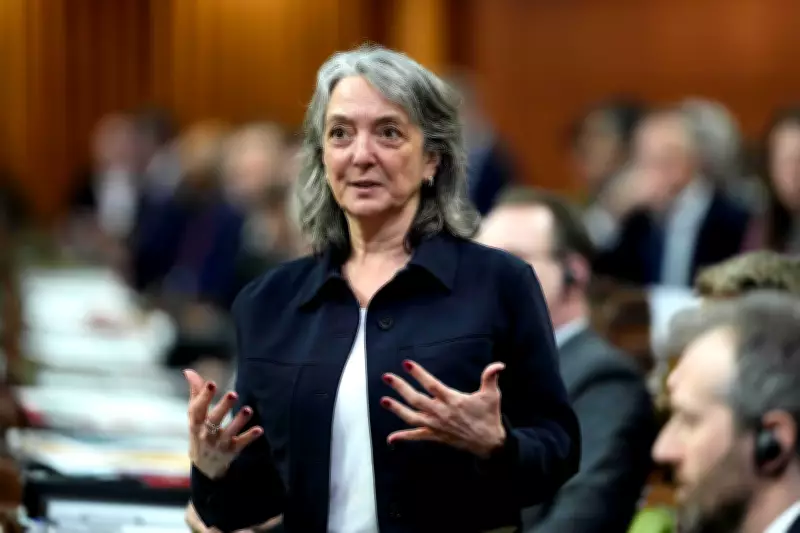
Environment Minister Declines to Commit to 2030 Industrial Carbon Price Target in Alberta MOU
In a significant development, the federal environment minister has refused to commit to a 2030 target for industrial carbon pricing within the Ottawa-Alberta memorandum of understanding (MOU). This stance emerges as ongoing negotiations highlight the complexities of aligning federal and provincial climate policies.
Negotiations Continue Amidst Unresolved Deadlines
The Front Bench panel has emphasized that substantial negotiations are still required to meet the deadlines outlined in the MOU. Key sticking points include the timeline for implementing carbon pricing mechanisms and the specific benchmarks for industrial emissions reductions. Experts note that without a firm commitment to a 2030 target, the effectiveness of the agreement in driving meaningful climate action could be compromised.
This reluctance to set a concrete 2030 target raises questions about the government's long-term strategy for reducing industrial carbon emissions, which are a major contributor to Canada's overall greenhouse gas output. The industrial sector, including oil and gas operations, faces increasing pressure to decarbonize, but the lack of a clear federal target may hinder investment and planning.

Broader Implications for Climate Policy
The decision not to commit to a 2030 industrial carbon price target comes at a time when global climate agreements emphasize urgent action. Canada has pledged to reduce emissions by 40-45% below 2005 levels by 2030, and industrial carbon pricing is seen as a critical tool in achieving this goal. The Ottawa-Alberta MOU is intended to foster cooperation, but this development suggests potential friction in harmonizing provincial economic interests with federal climate objectives.
Stakeholders from environmental groups and industry alike are closely monitoring the situation. Some argue that flexibility is necessary to accommodate Alberta's unique economic landscape, while others warn that delaying firm targets could undermine Canada's international climate commitments. The outcome of these negotiations will likely influence similar agreements with other provinces.
Looking Ahead: What's Next for the MOU?
As talks proceed, the focus will be on whether a compromise can be reached that balances environmental imperatives with economic considerations. The environment minister's office has indicated that discussions are ongoing, but no new timeline for a decision has been provided. This uncertainty leaves businesses and policymakers in a state of limbo, awaiting clarity on regulatory expectations.
In summary, the environment minister's avoidance of a 2030 industrial carbon price commitment in the Ottawa-Alberta MOU underscores the challenges in federal-provincial climate coordination. With negotiations continuing, the path forward remains uncertain, but the stakes for Canada's climate goals are high.






