U.S. Journalist Abducted in Baghdad as Iraqi Forces Pursue Kidnappers
Iraqi officials have confirmed the kidnapping of a U.S. journalist in Baghdad, with security forces actively hunting the captors in a high-stakes operation. The incident, reported on March 31, 2026, underscores the persistent dangers faced by media personnel in conflict zones and has triggered an urgent response from local authorities.
Details of the Abduction
According to statements from Iraqi officials, the journalist was seized in Baghdad under circumstances that remain under investigation. While specific details about the victim's identity or the exact location of the kidnapping have not been publicly disclosed, the abduction has prompted a swift mobilization of security forces. Their efforts are focused on tracking down the perpetrators and securing the journalist's safe release.
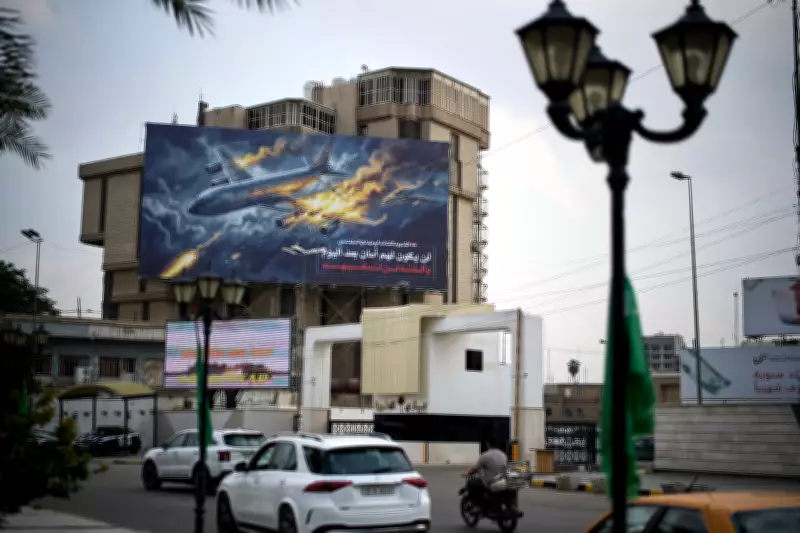
The kidnapping occurs against a backdrop of heightened tensions in Iraq, as illustrated by recent displays of anti-U.S. sentiment. For instance, a billboard in Baghdad featured imagery of a U.S. Air Force plane in flames, alongside the name of Abu Mahdi al-Muhandis, an Iraqi militant leader killed in a U.S. strike in 2020. The billboard's Arabic text read, "They will no longer have safety. By God, we will not spare them," reflecting ongoing animosity toward American presence in the region.

Security Response and Regional Context
Iraqi security forces have launched a comprehensive hunt for the kidnappers, emphasizing the seriousness with which they are treating the case. The operation involves multiple agencies and is being conducted with urgency, given the potential implications for diplomatic relations and regional stability.
This incident highlights the volatile security environment in Iraq, where journalists often operate at great risk. Kidnappings targeting foreign nationals, particularly Americans, have been a recurring issue in the past, often linked to militant groups seeking leverage or making political statements. The current situation raises concerns about the safety of other journalists and expatriates in the area.
Officials have not yet attributed the kidnapping to any specific group, but the context suggests it could be related to factions opposed to U.S. influence. The billboard message, invoking al-Muhandis and threatening safety, aligns with rhetoric used by some Iranian-backed militias in Iraq, though this remains speculative without formal claims of responsibility.
Broader Implications and Ongoing Developments
The abduction of the U.S. journalist is likely to strain U.S.-Iraqi relations, which have been complex since the 2003 invasion and subsequent conflicts. It may also impact international media coverage in Iraq, potentially leading to increased security measures for journalists or reassessments of their presence in high-risk areas.
As the hunt for the captors continues, Iraqi authorities are expected to provide updates on the investigation. The case has drawn attention from global media and human rights organizations, which often advocate for the protection of journalists in conflict zones.
In summary, the kidnapping of a U.S. journalist in Baghdad represents a significant security breach and a test for Iraqi law enforcement. With tensions simmering and anti-American sentiment visible, the outcome of this operation will be closely watched for its implications on safety, diplomacy, and press freedom in the region.