U.S. Embassy in Baghdad Targeted by Missile as Iran War Enters Third Week
In a significant escalation of hostilities, a missile struck a helipad inside the U.S. Embassy compound in Baghdad on Saturday, while debris from an intercepted Iranian drone caused a fire at an oil facility in the United Arab Emirates. This marks the third week of the ongoing conflict between the United States, Israel, and Iran, with tensions continuing to mount across the Middle East.
Attacks on Diplomatic and Economic Targets
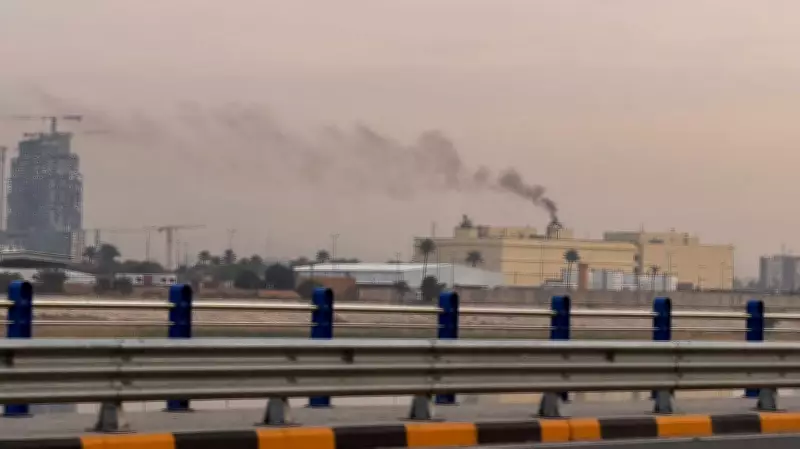
Associated Press images captured a column of smoke rising over the embassy complex in the Iraqi capital, alongside a blaze at Fujairah port in the UAE, which authorities attributed to drone interception efforts. No group immediately claimed responsibility for the embassy attack, but the facility has been repeatedly targeted by Iran-aligned militias in the past. The embassy had recently renewed its highest security alert, warning of potential threats to U.S. interests.
U.S. Strikes on Kharg Island and Oil Infrastructure Threats
President Donald Trump announced that U.S. forces "obliterated" military sites on Iran's Kharg Island, a critical hub for the country's oil exports. He issued a stark warning, stating that if Iran interferes with shipping through the Strait of Hormuz, the U.S. might target Iran's oil infrastructure next. In response, Iranian officials threatened retaliation against U.S.-linked oil facilities in the region, emphasizing the strategic importance of their southern islands.

Iran's Fars news agency reported that the U.S. strikes caused no damage to oil infrastructure on Kharg Island, but targeted military installations such as air defense facilities and naval bases. The U.S. Central Command released video evidence confirming the destruction of naval mine storage and missile bunkers in the operation.
Military Buildup and Regional Deployments
Amid the escalating conflict, a U.S. official revealed that 2,500 additional Marines and the amphibious assault ship USS Tripoli are being dispatched to the Middle East. These forces, based in Japan and specializing in embassy security and disaster relief, are expected to arrive within over a week. This deployment adds to the substantial U.S. military presence in the region, including the aircraft carrier USS Abraham Lincoln and other vessels in the Arabian Sea.
Humanitarian Crisis and Broader Conflict Impacts
The war has exacerbated humanitarian issues, with nearly 800 people killed and 850,000 displaced in Lebanon due to Israeli strikes against Iran-backed Hezbollah militants. Iran has continued launching missile and drone attacks on Israel and Gulf Arab states, while effectively closing the Strait of Hormuz, a vital passage for global oil trade. U.S. Defense Secretary Pete Hegseth noted that over 15,000 targets have been struck in Iran since the conflict began, averaging more than 1,000 per day.
As the situation remains volatile, with threats and counter-threats escalating, the international community watches closely for further developments in this deepening crisis.