Middle East Conflict Enters Fifth Week as Houthi Involvement Intensifies Regional Strikes
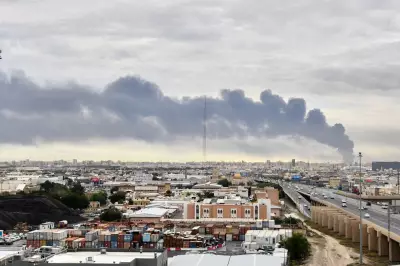
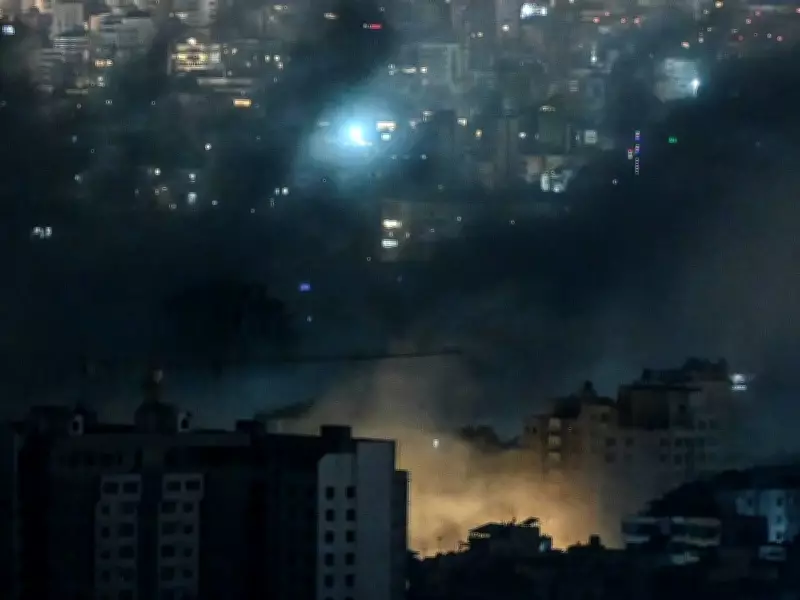
The ongoing Middle East conflict has now entered its fifth week, marked by a significant escalation as Yemen-based Houthi militants have officially entered the war, launching ballistic missiles at Israel and complicating regional dynamics. This development comes amid intensified strikes across the region, with Israel targeting Tehran and Saudi Arabia intercepting nearly a dozen drones, signaling a broadening of hostilities that has already claimed thousands of lives and caused widespread chaos in global commodity markets and trade routes.
Casualties Climb and Regional Powers Mobilize
As casualties continue to climb in Israel and throughout the Middle East, regional powers are scrambling to respond. The arrival of 3,500 additional U.S. troops in the Middle East underscores the growing international concern, while Saudi Arabia and Turkey have convened meetings in Pakistan to discuss potential pathways to end the conflict. Pakistan has emerged as a surprise mediator, with reports indicating it reached a deal with Tehran to allow passage for 20 Iranian ships through the Strait of Hormuz, a critical chokepoint in global oil transportation.
Strait of Hormuz Becomes Central Flashpoint
The Strait of Hormuz has emerged as Iran's primary source of leverage in this conflict, with the strategic waterway now seeing a dramatic reduction in oil flow—down to a mere trickle from its pre-war level of one-fifth of seaborne global oil. This disruption represents the most significant supply shock in the history of the global oil market. In response, Bahrain has announced a ban on fishing and pleasure boats at night, citing the Iranian threat, while Saudi Arabia has managed to reroute some oil through its East-West pipeline, now operating at full capacity of seven million barrels daily.

Houthi Involvement Complicates Regional Stability
The entry of Houthi militants into the conflict adds a dangerous new dimension to an already volatile situation. The group launched ballistic missiles at Israel on Saturday morning, following U.S.-Israeli strikes on Iranian nuclear facilities. While the Houthis have not explicitly threatened to target tankers in the Red Sea, their missile range places key Saudi export facilities like the port of Yanbu—through which five million barrels of oil now flow—at potential risk. The group has stated they will continue operations until U.S.-Israeli attacks on Iran and its proxy groups, including Hezbollah in Lebanon, cease entirely.
Iranian Retaliation and International Ramifications
Iran has launched what it describes as retaliatory strikes on Gulf Arab states and Israel following attacks on its nuclear and industrial facilities. These actions have drawn international concern, with the U.S. defense department reportedly preparing for potential weeks of ground operations in Iran, initially focused on securing the Strait of Hormuz. Iranian Parliament Speaker Mohammad Bagher Ghalibaf has issued a stark warning, stating that Iranian forces are "waiting for American soldiers to enter on the ground."
Global Impact and Security Concerns
The conflict's reach extends far beyond the Middle East, with French anti-terrorism authorities investigating a foiled bombing near the Bank of America headquarters in Paris that appears linked to the regional tensions. As the war enters its fifth week, the combination of Houthi involvement, intensified strikes, and the critical situation at the Strait of Hormuz continues to threaten global stability, with no immediate resolution in sight despite emerging diplomatic efforts led by Pakistan and other regional powers.